| Making online spaces safer for young people |
|
|
This email is being sent to all University of Sussex staff. |
|
|
|
|
|
|
Study warns biodiversity loss could trigger wave of debt crises |
|
|
|
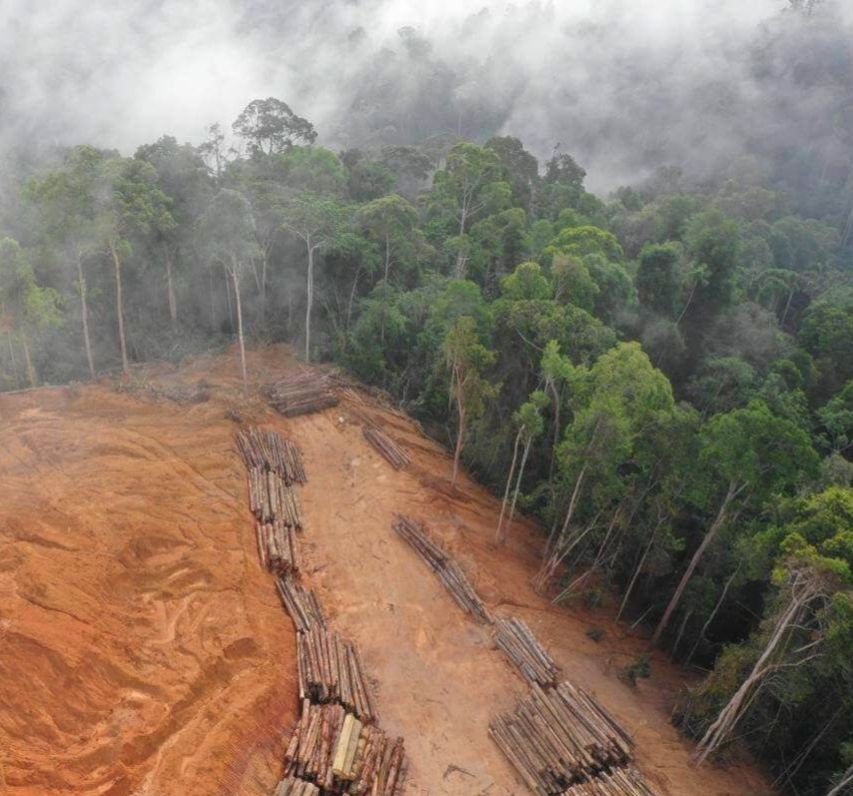
New research led by Professor Matthew Agarwala from Sussex, and a team of economists from University of Sheffield and Heriot-Watt University, warns that global financial markets are failing to account for the economic risks of biodiversity loss, potentially leaving countries vulnerable to higher borrowing costs and even debt crises.
The paper, titled Biodiversity loss will decrease the future creditworthiness of nations, presents the world’s first biodiversity-adjusted credit ratings model.
|
|
|
The study's findings suggest that damage to nature could seriously weaken national economies. This includes the decline of wild pollinators, fisheries, and tropical forests, which could also increase the cost of government borrowing worldwide.
The study estimates that a partial collapse of these natural systems could reduce global GDP by around US$2 trillion each year and increase annual sovereign debt interest payments by US$162 billion. Countries such as India, China, Indonesia, Bangladesh, and Malaysia could face major credit rating downgrades, making it more expensive for governments to borrow money.
Professor Matthew Agarwala, from the Bennett Institute for Innovation and Policy Acceleration, said: “It’s not just financiers who will lose out. As nature loss reduces economic performance, it will become harder for countries to service their debt, straining government budgets and forcing them to raise taxes, cut spending, or push inflation even higher. The consequences could be grim. Governments face a stark choice – pay now, by investing in nature recovery, or pay later through higher borrowing costs."
The paper calls on regulators, central banks, and credit rating agencies to incorporate nature- and climate-related financial risks into mainstream risk assessments. |
|
|
How can we make online spaces safer for young people? |
|
|
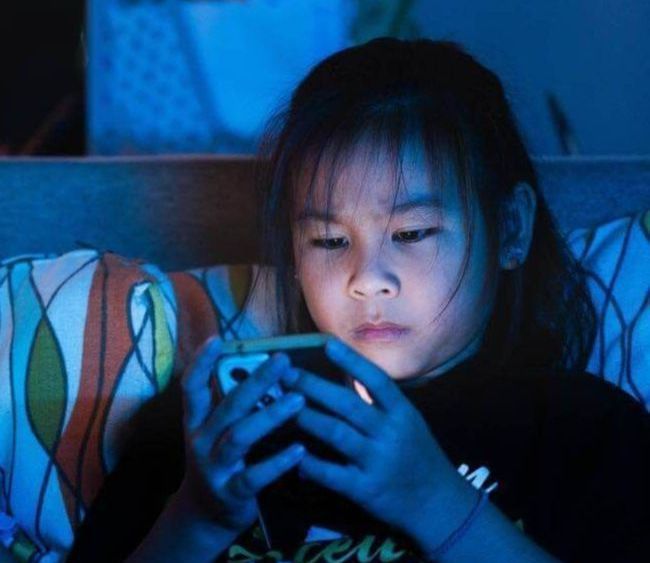
As the UK Government announces plans to ban under-16s from using major social media platforms, questions about how to keep children and young people safe online are once again in the spotlight.
Children and young people are growing up in an increasingly digital world, one which offers new opportunities to learn, connect and express themselves, but also exposes them to risks such as cyberbullying, grooming, misinformation and harmful content. |
|
|
At the University of Sussex, researchers are exploring how young people encounter risk online – from digital design and data use, to gaming platforms, extremism and body image cultures – helping to shape safer, more supportive digital spaces for the next generation.
Read the full story on growing up online. |
|
|
Sussex research underpins major repatriation to Botswana |
|
|
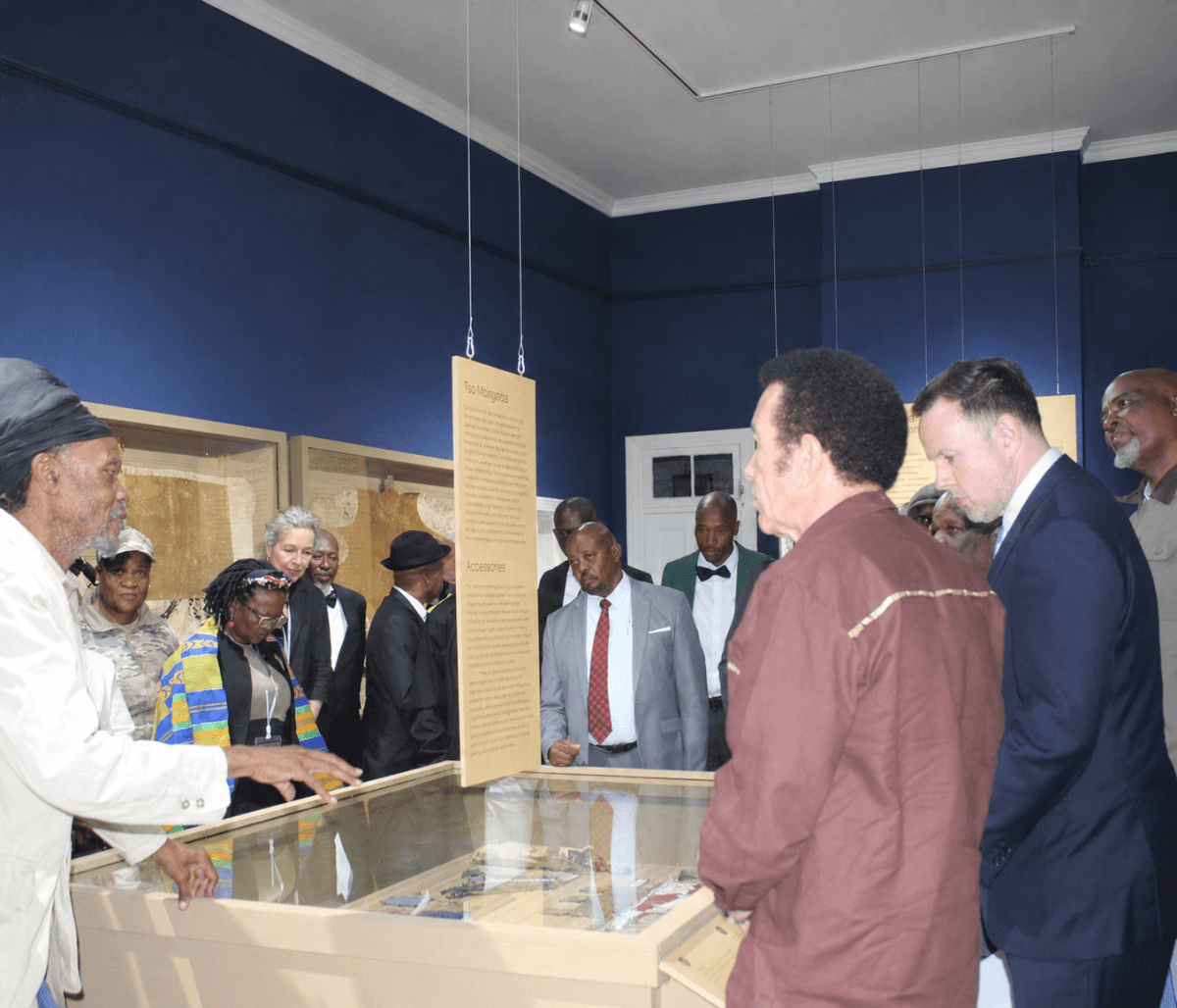 |
Prof JoAnn McGregor viewing the new exhibition in Botswana |
|
A major repatriation of cultural belongings from Brighton Museum to Botswana has been underpinned by collaborative research led by the University of Sussex.
In May, Brighton & Hove Museums returned 45 artefacts to the Khama III Memorial Museum in Serowe, Botswana. The items, part of Brighton Museum’s collection since 1899, include clothing, accessories, hunting implements and domestic items connected to the Gammangwato region. |
|
|
Professor JoAnn McGregor led provenance research that is helping to establish a partnership between Brighton & Hove Museums and Khama III Memorial Museum. The wider project also involved the Botswana National Museum's Chief Ethnologist and Brighton Black Heritage groups.
The repatriation was marked in Botswana with a two-day summit, cultural celebrations and a new permanent exhibition.
Professor McGregor described how she felt to be involved: “The return of these belongings to the place where they came from was the outcome of a long research journey and it was a huge privilege to be part of the cultural celebrations in Botswana. Brighton Museum’s decision to repatriate the collection is agenda-setting not only for Botswana, but the wider UK museum sector”.
Read more about the research and repatriation on the University of Sussex website. |
|
|
Connecting psychological theory with real-world social change |
|
|
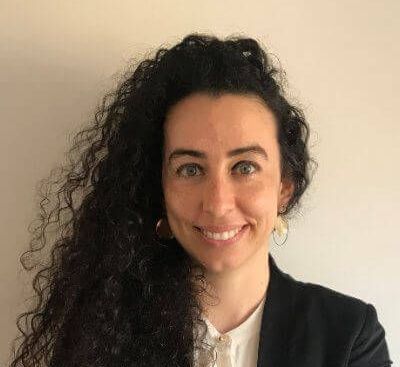
Dr Özden Melis Uluğ, Associate Professor in Psychology, is the first Sussex academic to receive the Jim Sidanius Early Career Award from the International Society of Political Psychology (ISPP).
The prestigious international award recognises exceptional achievement by an ISPP member within 10 years of receiving their PhD. First awarded in 1982 and renamed in honour of Professor Jim Sidanius in 2020, it has recognised many leading figures in political psychology. |
|
|
Dr Uluğ’s research focuses on collective action, solidarity and social change, particularly in contexts often overlooked in mainstream psychology, including conflict, repression, authoritarianism, and settings outside Western, Educated, Industrialised, Rich and Democratic (WEIRD) societies. She was nominated by her mentors, Professor Serdar M. Değirmencioğlu and Professor Christopher Cohrs.
Dr Uluğ said: “I am deeply honoured to receive this award. It is especially meaningful because it recognises work that seeks to broaden psychological science by centring the experiences of people in conflict, authoritarian, and non-WEIRD contexts. I hope the award will help raise the visibility of this research and support future collaborations, allowing me to continue developing research that connects psychological theory with real-world social change.”
Professor Alison Pike, Head of Psychology, said: “This is a highly prestigious international recognition, and it reflects the originality, ambition and real-world importance of Melis’s research. Her work is theoretically innovative, methodologically rich, and deeply engaged with political contexts marked by conflict and repression. We are very proud to have her as part of Psychology at Sussex.” |
|
|
|
|
Professor Matthew Agarwala’s new Bennett Institute study examining the costs of biodiversity loss (as featured above) has led to extensive international coverage, including in Bloomberg and Reuters.
The Times featured Dr Jenna Macciochi in an article exploring what stress does to the body, including the role of regular cortisol spikes in supporting healthy daily rhythms.
Professor Anil Seth appeared on BBC Radio 4’s Today programme to discuss AI and personhood, following reports that Argentina’s president is considering allowing artificial intelligence systems to form and run companies. (At 2hrs 43mins).
BBC Radio 4’s Thinking Allowed featured Professor Gurminder Bhambra discussing how colonial histories continue to shape modern society, migration and inequality.
Professor Benjamin Selwyn commented in The Guardian and Daily Mail on the potential global impacts of a ‘super’ El Niño, including the risks for food systems, economies and household food costs.
BBC News spoke to Professor Sambit Bhattacharyya about rising oil prices following US and Iran strikes, where he warned of the risk of a fuel crisis in the UK and Europe. (Approx 6:30am). |
|
|
|
We hope you have enjoyed this edition of Research at Sussex. We would love for you to share it with your friends, colleagues, and collaborators – they can subscribe here.
|
|
|
|
|
|