What do babies really look for in a book?
|
|
|
This email is being sent to all University of Sussex staff. |
|
|
|
|
|
|
|
Breakthrough brain tumour blood test could save lives |
|
|
Researchers at the University of Sussex, in collaboration with scientists from numerous institutions worldwide, have identified a blood test capable of early diagnosis of the most aggressive form of brain tumour, with the potential to save lives.
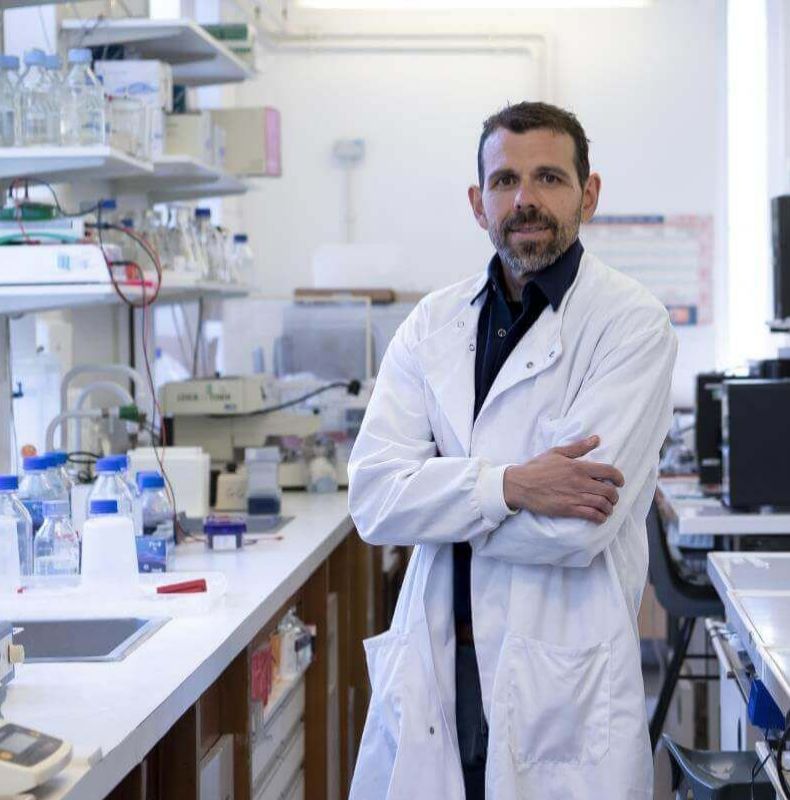
Lead author Professor Georgios Giamas and his team have identified distinctive biomarkers (molecules that act as signs of normal processes, diseases, or responses to treatment) within patient blood samples, which could signal the presence of Glioblastoma, a fast-growing and difficult-to-treat brain cancer. |
|
|
The study, unveiled in the highly respected journal Cell Reports Medicine, investigated whether a simple blood test - analysing the cargo of tiny particles called small extracellular vesicles (sEVs) that are released by cells into the bloodstream - could accurately detect and classify these tumours. They found that the samples from glioma patients were consistently different from those of healthy people, allowing the research team to create a highly accurate test. In a small group of patients followed over time, changes in biomarkers suggested the test could also monitor how a patient is responding to therapy.
More than 11,000 people are diagnosed with a primary brain tumour in the UK each year. Professor Giamas said: “Currently, Glioblastoma detection relies on the display of symptoms, magnetic resonance imaging and invasive tissue biopsies – all of which can delay the identification of the tumour.
“Early diagnosis for any type of cancer is crucial, but it is particularly so for Glioblastoma, which is often diagnosed late.” |
|
|
Bright and bold is best for baby books, Sussex study finds |
|
|
A new University of Sussex study has found that babies are most visually engaged by bold shapes, vivid colours and strong contrast, rather than the soft pastel palettes and detailed illustrations many adults prefer.
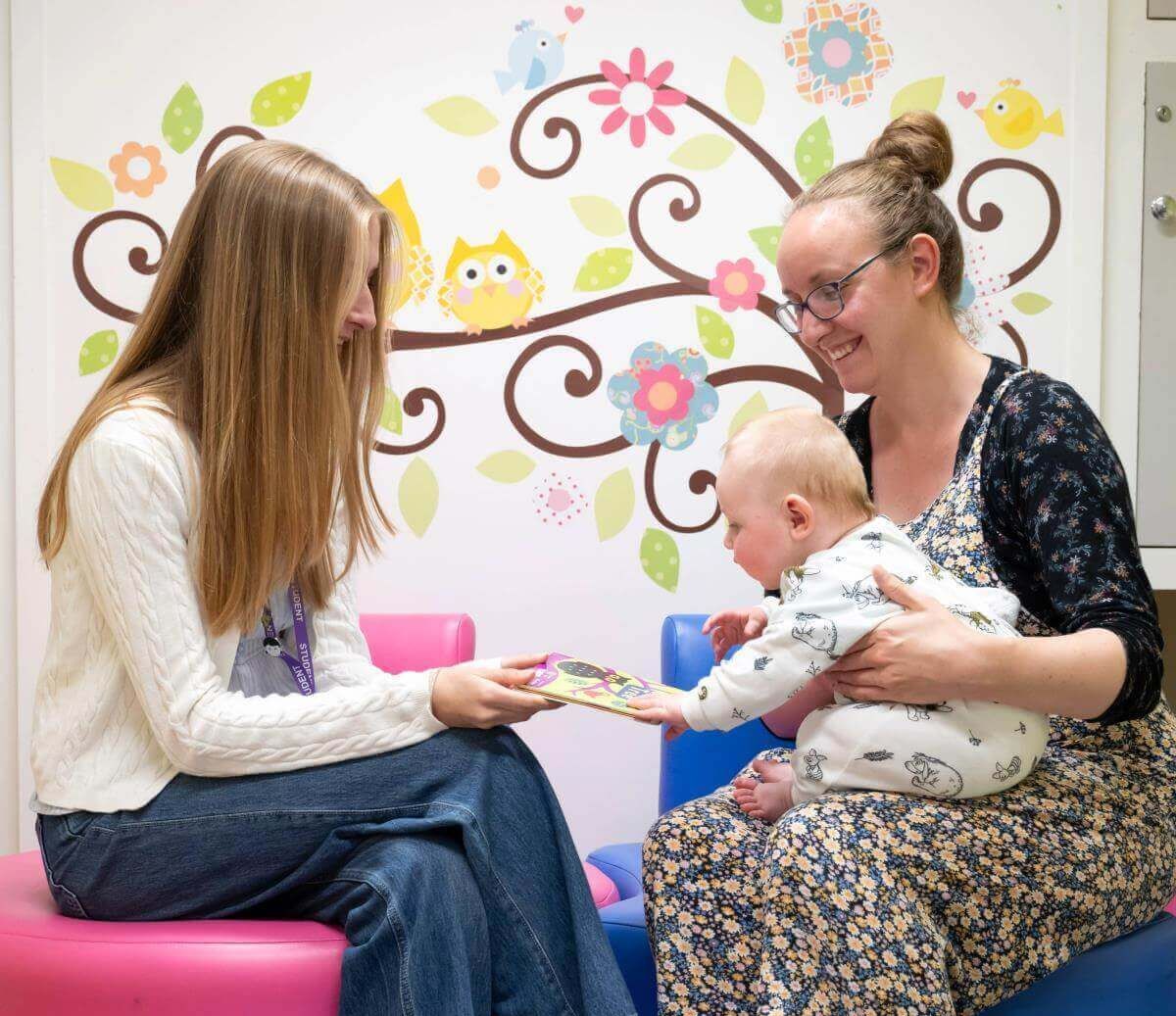
Researchers at the Sussex Baby Lab, including lead author Doctoral Researcher Taysa-Ja Newman and Professor Anna Franklin, tracked the eye movements of 54 infants aged two to 12 months as they looked at pages from 100 board and picture books. |
|
|
The findings showed that babies were drawn to bright, saturated colours and simple, high-contrast images, while the pages adults rated least appealing often held infants’ attention for the longest.
The research challenges common assumptions about what works best for babies, including the idea that monochrome books are always the most effective choice. The findings could help authors, publishers and parents choose books and visual materials that better match how infants actually see and respond to the world.
Professor Anna Franklin, co-leader of the Sussex Baby Lab, said: “Sharing books with babies has many benefits, from language exposure to social interaction. Understanding which kinds of images capture babies’ attention may help support those early book-sharing experiences.” |
|
|
'Ingenious' sound and vision experience on the big screen |
|
|
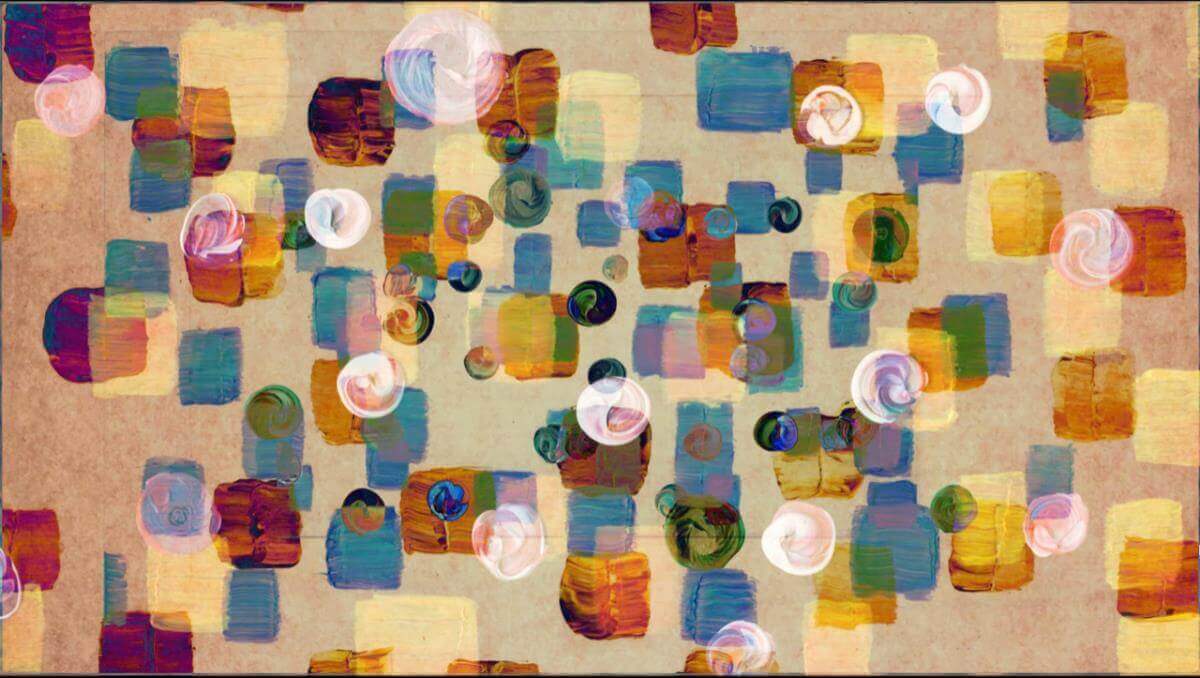 |
Abstract artwork from Tim Hopkins’ Four Quartets on Film (2023) |
|
|
A project led by music research fellow Tim Hopkins during the COVID-19 lockdowns has become a new kind of cinematic experience.
Four Quartets on Film (2023) features Hopkins’ visual responses - involving live animation overlaid onto photography and film footage - to works by four contemporary classical composers.
The films, which feature string quartets by John Woolrich, Judith Weir, Joe Cutler, and Helen Grime, are being shown at the Depot cinema in Lewes on 16 May. The event also includes the world premiere of Contest Music (2026), Hopkins’ response to Gavin Higgins' Concerto Grosso for brass and orchestra.
Hopkins, whose projects have been funded by the Arts Council and the University of Sussex, said the process is the reversal of creating a music score for film. “Here, recorded sound comes first, and the visuals respond, echoing the approach of the mid-20th-century 'visual music' scene. New technology allows us to revisit this in a multitude of ways, in this case using cinema as a context for audiences to experience contemporary, classical music.”
He added: “I began these films during lockdown when one couldn’t work with people face to face. I wasn’t sure where they would lead, but several cinemas have now agreed to show them."
Fellow composers have also been appreciative, with renowned British composer Judith Weir describing his work as “ingenious”. |
|
|
Comment: Hungary has voted to end state capture – what now? |
|
|
By Liz Dávid-Barrett
Elections on 12 April saw the Hungarian electorate oust Viktor Orbán and his government after 16 years. In those four terms in office, he had certainly transformed the country.
But not in a good way. Right after coming to power in 2010, he embarked on a project of ‘state capture’ which saw him centralise executive power, divert state resources and EU funds to enrich himself and his cronies, and squash the life out of most of the free media and its civil society organisations. |
|
|
As someone who researches state capture and also lived in Hungary during happier years, I’ve been observing the country’s path with grim fascination and – in research as part of the Governance & Integrity Anti-Corruption Evidence (GI ACE) programme – comparing it to other countries’ experiences. In South Africa, state capture was deep and wide under Jacob Zuma, but he was ousted in 2018 after only nine years, and the country then engaged in a long process of self-reflection as a basis for reform. In Sri Lanka, it took almost two decades to dislodge the Rajapaksa dynasty (in 2022), and this was achieved only after they had plunged the country into deep economic crisis.
Hungary finally has a new prime minister and a new government, but we know that the challenges they now face are immense. It takes time to re-build rule of law, and state institutions that have been re-purposed to serve corrupt ends cannot be reclaimed overnight. Moreover, reforms have to be implemented in a context where voters are clamouring for both justice and economic relief, neither of which are quick to deliver, and particularly when vested interests are fighting back. The election result is great news but it’s just the beginning.
Professor Elizabeth Dávid-Barrett is Professor of Governance and Integrity at the University of Sussex, Director of the Centre for the Study of Corruption, and Programme Director of GI ACE.
To hear more about these challenges from experts on the frontline, join the next GI ACE online roundtable on 27 May. |
|
|
|
|
The Telegraph featured radiation expert Professor Paul Dorfman in an article on the UK’s growing nuclear waste challenge, noting his concerns that official inventories exclude waste from planned new reactors. Read more.
The Guardian ran an exclusive about research led by Dr Cannelle Tassin de Montaigu into pet flea treatments and songbird contamination. Further coverage followed in Buglife, BirdGuides, Yahoo News, and on Greatest Hits Radio.
Professor Georgios Giamas’s research into a new blood test to help diagnose aggressive brain tumours (as featured above) received regional, national and international coverage including The Argus and Medical Xpress.
BBC Radio 4’s All in the Mind featured occupational psychologist Dr Emma Russell in a special episode exploring toxic work behaviours, where she shared insights from her research into disrespectful emails. |
|
|
|
We hope you have enjoyed this edition of Research at Sussex. We would love for you to share it with your friends, colleagues, and collaborators – they can subscribe here.
|
|
|
|
|
|