|
|
This email is being sent to all University of Sussex staff. |
|
|
|
|
|
|
Celebrating World Quantum Day – how do you trap an atom? |
|
|
14 April marked World Quantum Day and provided a perfect moment to celebrate the quantum research happening right here at Sussex.
The University of Sussex is a global leader in quantum technologies. Our researchers at the Sussex Centre for Quantum Technologies (SCQT) are driving innovation in the field, from record-breaking quantum computers to discoveries with real-world potential in healthcare, communications, defence and beyond.
Its spin-out, Universal Quantum, has already secured around £100 million in investment, as part of the Greater Brighton Economic Board’s plans to grow a ‘Quantum Silicon Valley’ in the region. |
|
|
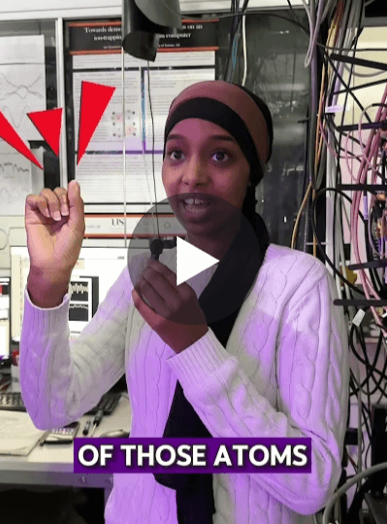
In this short video, postdoctoral researcher Sahra takes us inside the quantum technologies lab to show how scientists trap a single atom.
It is a rare behind-the-scenes glimpse into cutting-edge research at Sussex and the precision involved in working at the quantum level. |
|
|
Sussex researcher receives UK grant for cancer research |
|
|
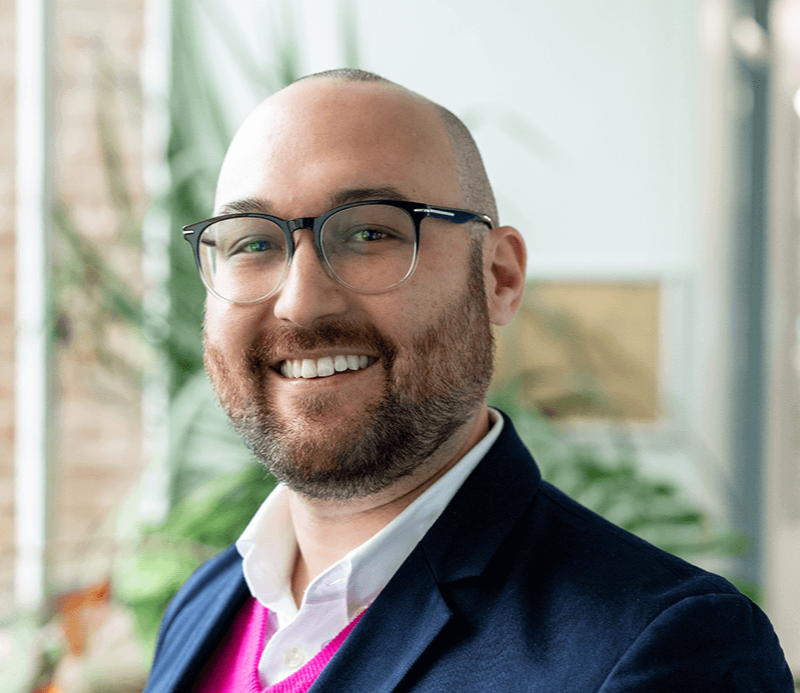
A University of Sussex biologist investigating how cancers bypass DNA repair has secured a £125,000 award from a major £6.7 million national funding pot.
Dr Luke Yates, Assistant Professor in Genome Stability, is one of 55 early‑career researchers across the UK to receive backing through the Academy of Medical Sciences’ Springboard programme, supported by the Department for Science, Innovation and Technology, Wellcome and the British Heart Foundation.
|
|
|
Dr Yates will use advanced molecular imaging and genetic tools to uncover how cancers disable the cell’s natural DNA defence systems.
“This Academy of Medical Science award will allow me to investigate how cells coordinate the process of DNA repair,” he said. “Cancer relies on stopping DNA repair and promoting uncontrolled cell growth. I want to identify and study the molecules that allow cancers to bypass DNA repair mechanisms.”
Dr Yates added that the work could reveal new weaknesses in cancer cells, opening the door to future treatments that target those vulnerabilities. |
|
|
|
Prize-winning article revives ‘forgotten’ reflections onracism and imperialism |
|
|
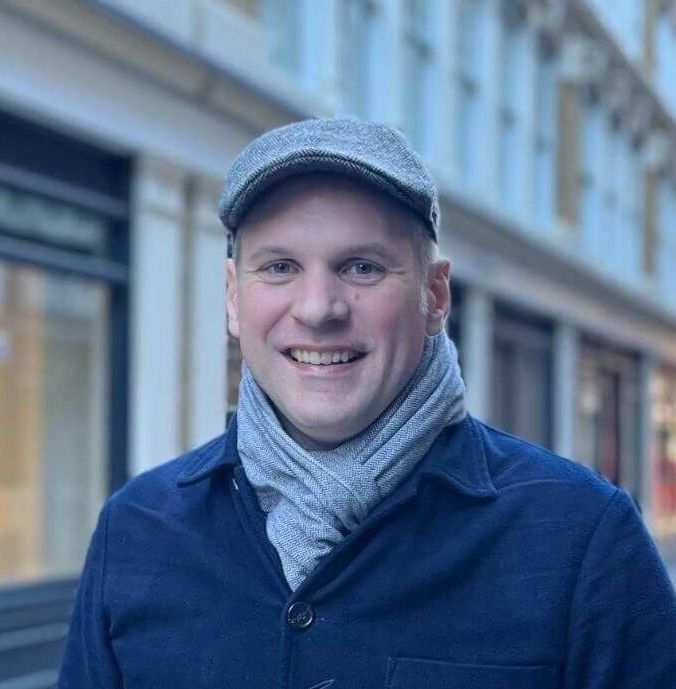
Dr Felix Roesch, Associate Professor in International Relations (IR) at Sussex, has won the 2025 Merze Tate Prize for Best Article in Historical International Relations for an article he co-authored with Dr Haro Karkour of Cardiff University.
The prize, awarded in March at the annual International Studies Association (ISA) Convention in Columbus, Ohio, was for their article ‘Towards IR’s “Fifth Debate”: Racial Justice and the National Interest in Classical Realism’, which was published in the International Studies Review |
|
|
The article uncovers the German-American political scientist Hans Morgenthau’s largely forgotten scholarly reflections on racism and imperialism, as well as his public engagement on racial justice in the context of the civil rights movement and the Vietnam War.
Dr Roesch said: “I feel very honoured to be recognised for my research by the largest association in International Relations. In our paper, we tried to invite International Relations scholars to have a profound debate about the role that questions of racial justice had for institutionalising the discipline, and it fills me with great joy to receive an award that was named after Merze Tate, the first African-American woman to earn a PhD in International Relations.” |
|
|
Comment: Why reshaping how we think about the past
is critical for the future |
|
|
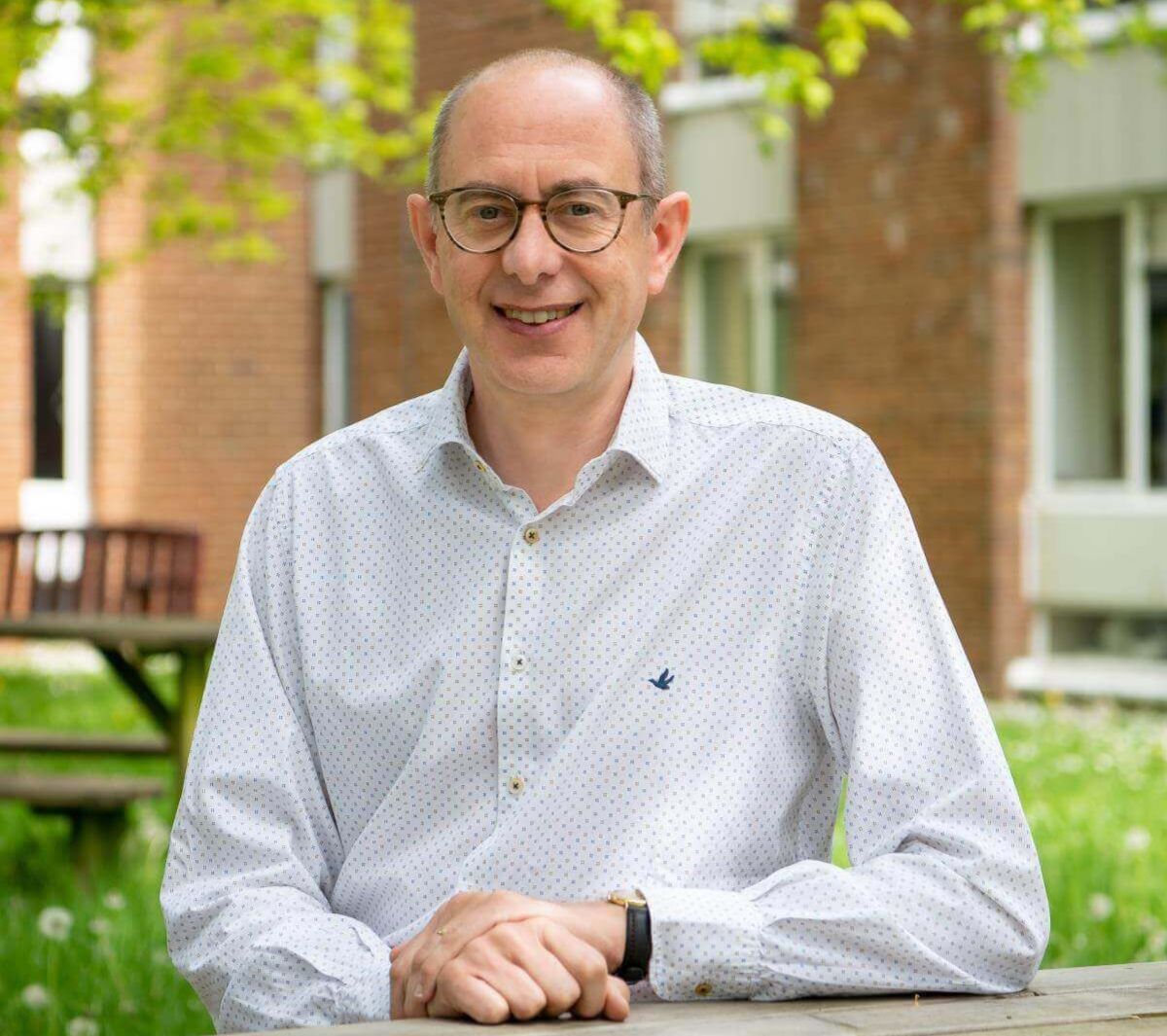
By Geert De Neve
Much of the world’s knowledge, including academic research, has long been shaped by institutions, assumptions and power structures rooted in colonial histories.
But if universities are serious about creating knowledge that genuinely serves diverse societies, they need to work with those directly affected to ensure all voices are heard. This is part of the process we now term decolonising. |
|
|
For the past ten years, the University of Sussex, together with our campus partner, Institute of Development Studies, has been ranked first in the QS World University Rankings for Development Studies. This is an amazing testament to the calibre of our teaching, research and impact.
In the School of Global Studies, we are particularly proud of the significant contributions we have made to decolonising development and critically rethinking the role it can play in an increasingly polarised world. Our research achieves this through collaborations with academic, activist and practitioner partners around the world.
A great, current example is Dr Lyndsay McLean’s AHRC-funded project Youth wellbeing, healthy relationships and GBV [gender-based violence] prevention in Tanzania. Working in partnership with the University of Dar es Salaam, and four local NGOs, this participatory action research project is working with young people in Tanzania’s capital to explore the links between emotional wellbeing, relationship quality, and perpetration and experience of GBV.
The project is engaging directly with young people and practitioners that work with youth and on mental health and GBV, with a view to better understand the links between these social issues and then design interventions to address them. Young Tanzanians are at the heart of this project as peer researchers, co-designers and facilitators.
Such engaged and impactful work lies at the heart of our approach at Sussex. Our vibrant community of students, faculty and alumni, working across numerous global partnerships, remains deeply committed to catalysing and nurturing more just, progressive, equitable and sustainable futures for us all.
Professor Geert De Neve is Head of Global Studies at the University of Sussex |
|
|
|
|
The Sunday Times cited research from Professor Dave Goulson in an article on wildlife-friendly gardening, highlighting findings that some plants marketed as good for pollinators can contain pesticide residues, including forever chemicals.
Professor Gillian Sandstrom spoke to BBC Radio 4 about the benefits of talking to strangers, following the publication of her book Once Upon a Stranger, exploring how small talk can bring pleasure and help shape a life well lived. (Listen above from 21.00).
The Guardian featured Professor Gillian Forrester reflecting on the legacy of pioneering primatologist Birutė Galdikas, defending her ground-breaking work with orangutans and the challenges of caring for orphaned primates. |
|
|
|
We hope you have enjoyed this edition of Research at Sussex. We would love for you to share it with your friends, colleagues, and collaborators – they can subscribe here.
|
|
|
|
|
|