Sussex academics honoured for World Social Work Month |
|
|
|
|
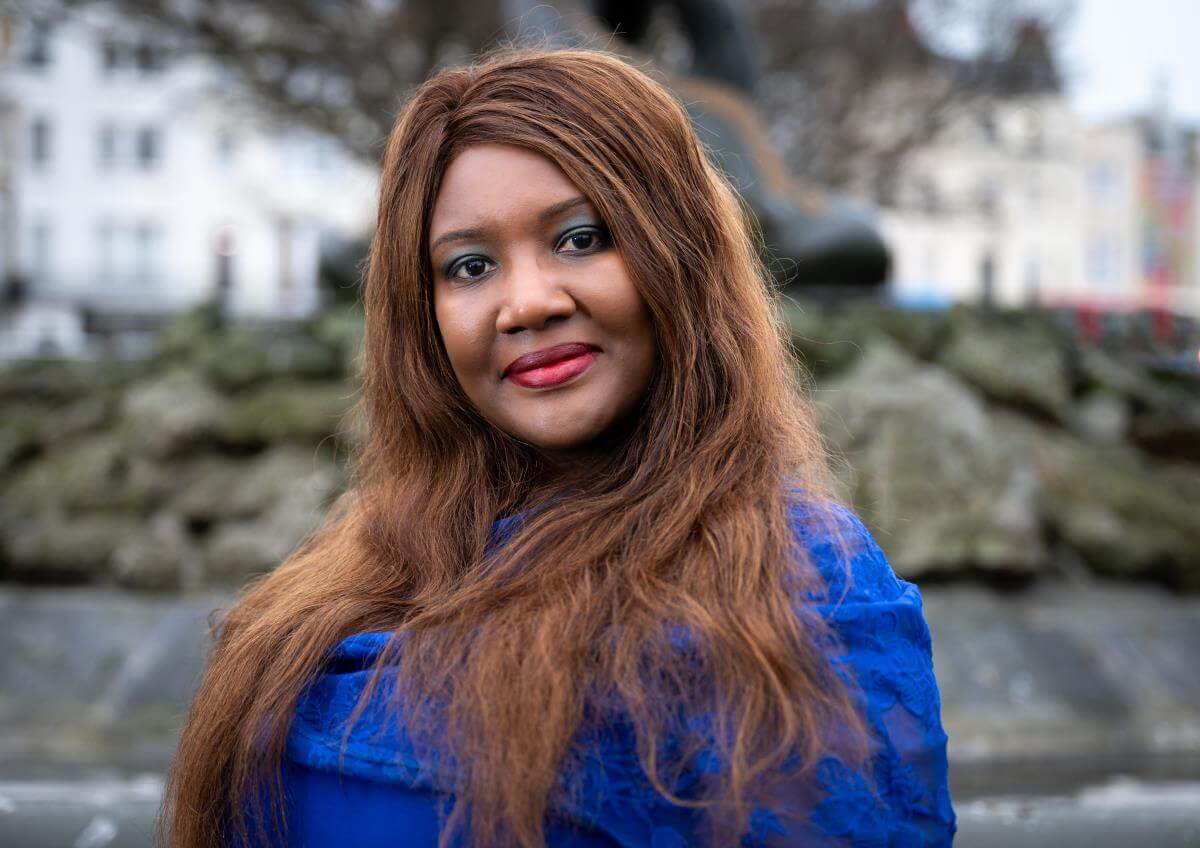
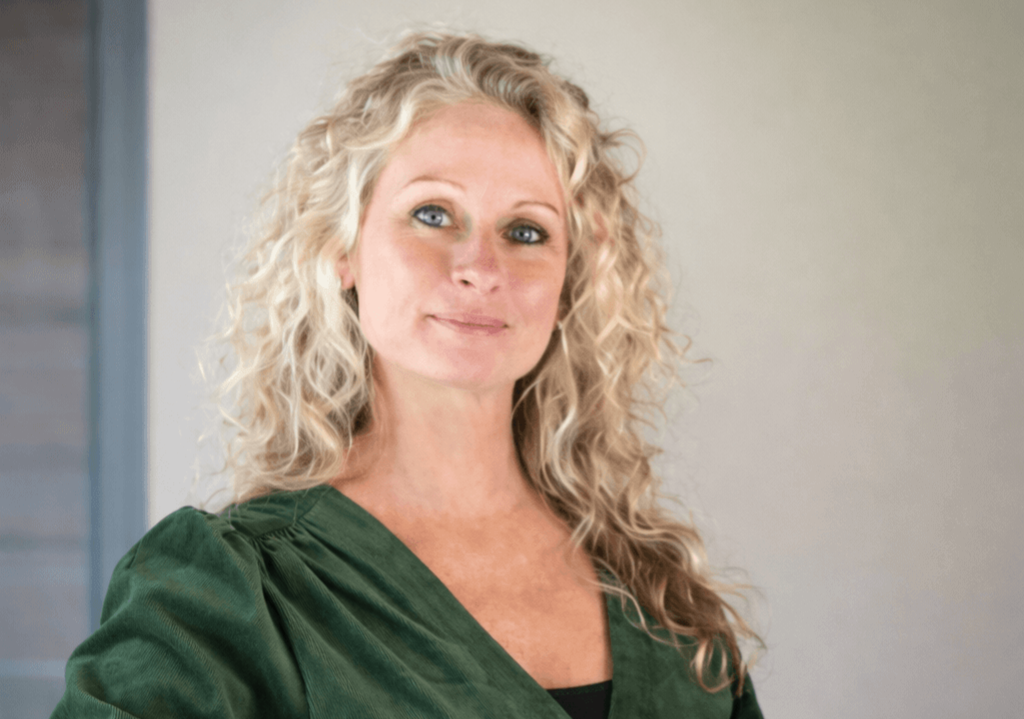
Two academics in Social Work and Social Care at the University of Sussex have been recognised for their outstanding contributions to social work practice.
Associate professors Dr Tam Cane and Rebecca Stephens have both been honoured with prestigious national awards by the British Association of Social Work (BASW) as part of World Social Work Month (March 2026). The awards form part of BASW’s 'Amazing Social Workers' campaign, which celebrates individuals and teams making a significant impact.
Dr Cane was named as an ‘Amazing Associate Professor’ for her exemplary teaching and leadership. She was commended for her inclusive approach to education, her skill in translating theory into practice, and her development of the Transracial Adoption Framework – an influential tool supporting culturally sensitive and ethical practice.
Ms Stephens, who is the UK’s first veterinary social worker, was named an ‘Amazing Social Worker’ and praised for developing a new social work specialism that bridges human and animal welfare.
Her work includes forging new partnership models with UK veterinary practices and embedding the human–animal bond into the social work curriculum. By creating frameworks to support issues such as pet loss, bereavement, animal welfare and safeguarding, Ms Stephens is helping both professions better understand the emotional and practical complexities that arise around family pets. Colleagues described her as “an inspiration” whose positivity and commitment are driving significant, lasting change.
|
|
|
Meet the researcher developing tiny devices for targeted drug delivery |
|
|
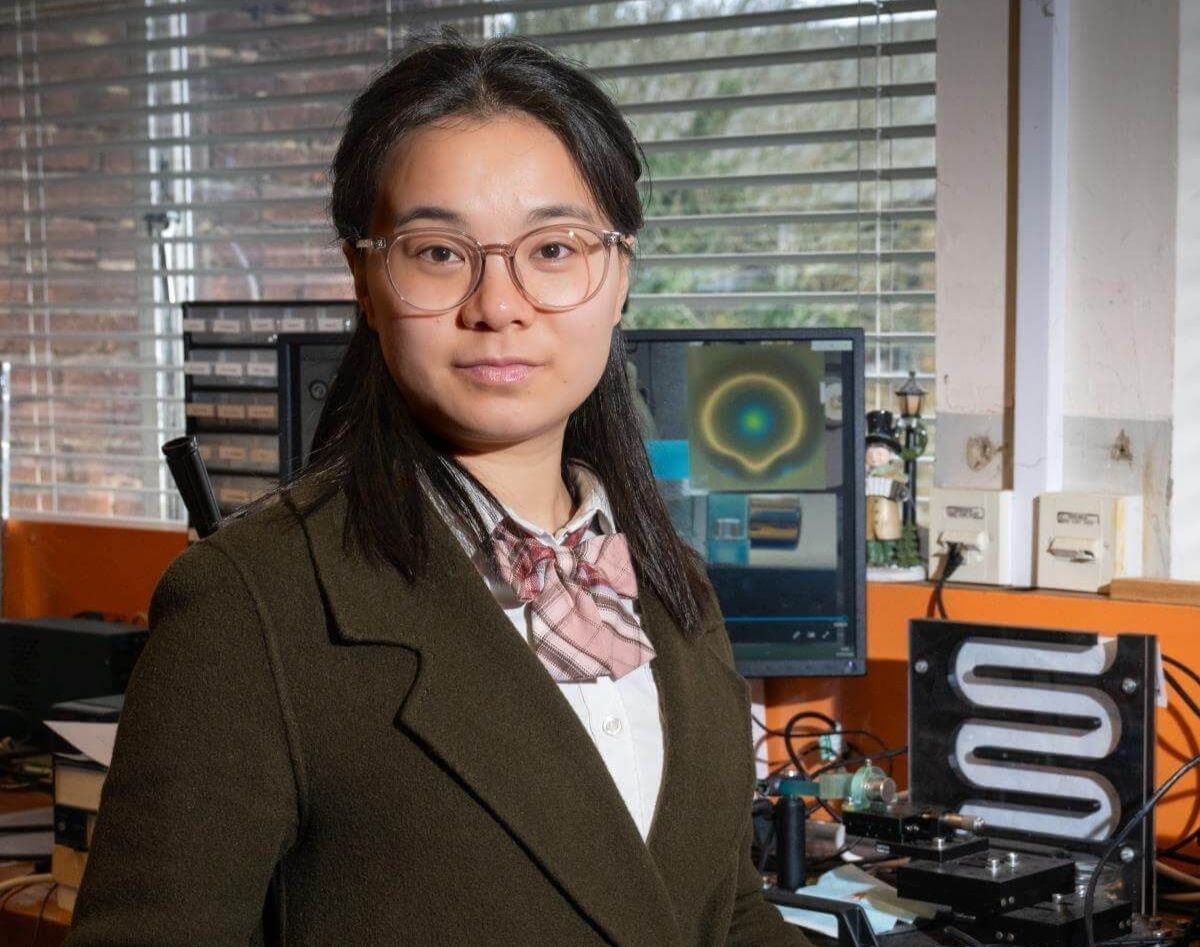
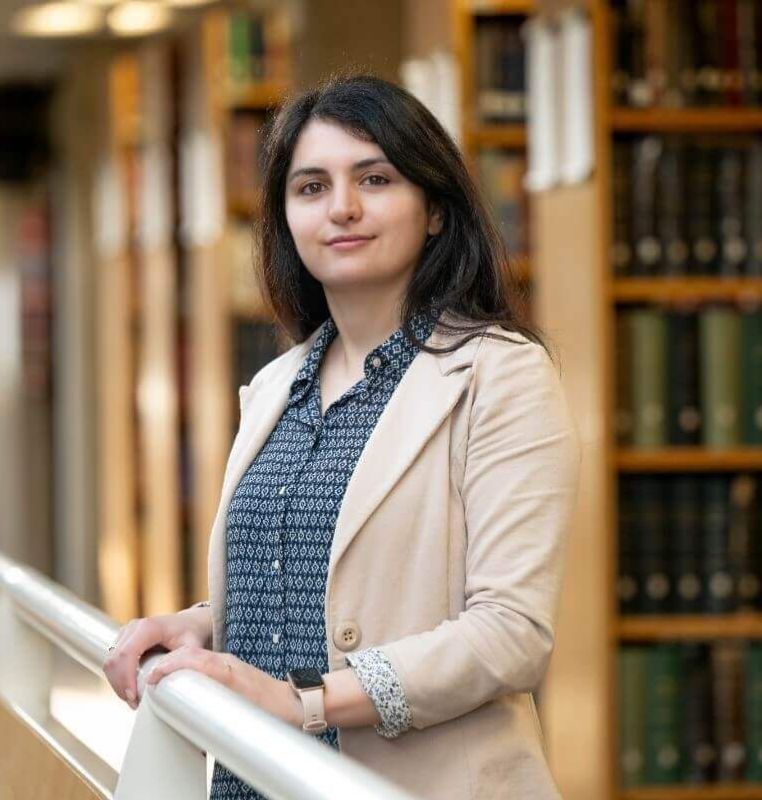
Chaolu Yan is a PhD student at the University of Sussex, whose research explores how tiny 3D-printed medical devices could be guided using magnetic fields to deliver drugs more precisely where they are needed in the body.
Chaolu is one of the inspiring women researchers featured in our International Women’s Day (IWD) exhibition, open in the Library Corner Gallery at the University until the end of March. |
|
|
Chaolu’s research brings together materials science, 3D printing and magnetic technology to develop next-generation medical devices. She designs tiny magnetic capsules and flexible structures that can be guided and controlled from outside the body.
By combining high-resolution 3D printing with magnetic control, Chaolu is developing intelligent soft robotic systems capable of precise navigation and site-specific drug delivery. Her work aims to support more personalised medicine and open up new possibilities for safer, more efficient patient care.
The IWD exhibition celebrates the incredible contributions of our Sussex researchers and their male allies, who are pushing boundaries in their fields, advancing knowledge and driving positive change. You can also explore more researcher profiles and supportive comments on the International Women’s Day 2026 Padlet. |
|
|
Remembering Sir Anthony Leggett’s legacy |
|
|
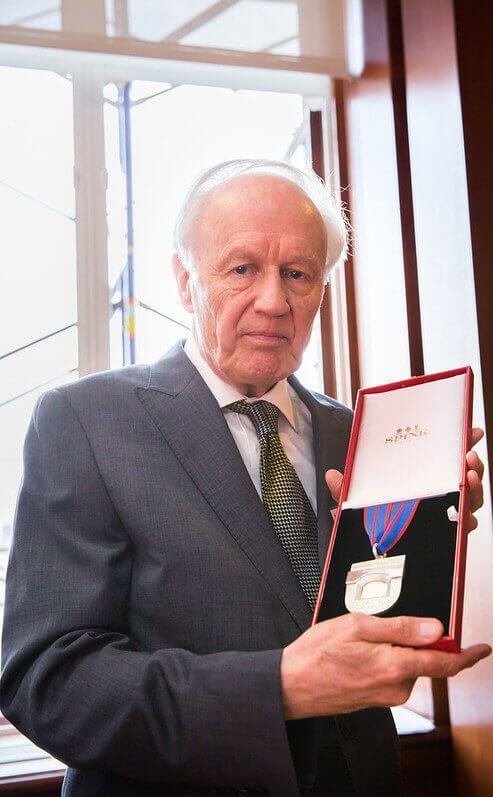
Former Professor of Physics and Nobel Prize winner Professor Sir Anthony Leggett has sadly passed away, leaving an extraordinary scientific legacy at Sussex and beyond.
Professor Leggett carried out tremendously influential research on quantum tunnelling – the process by which particles can pass through barriers because of their wave-like behaviour. Much of this work was done at Sussex in the 1980s with his PhD student Amir Caldeira, and it went on to inspire experimental physicists for decades.
When the 2025 Nobel Prize in Physics was awarded for quantum tunnelling, laureate Michel H. Devoret explicitly mentioned Tony's work as the motivation for their experiments.
Read Sir Anthony Leggett's full obituary, written by his former PhD student Professor David Waxman of Fudan University, Shanghai. |
|
|
Protecting Children Across Borders: The Urgent Need for UK Surrogacy Reform |
|
|
By Dr Marianna Iliadou
Surrogacy is an arrangement where a woman (surrogate) gestates and gives birth to a child for another person/couple (intended parents). Families built through surrogacy are navigating a complex domestic legal system that is out of step with reality.
I recently contributed to and reviewed the POSTnote (research briefing) on surrogacy for the UK Parliament, where I highlighted that while surrogacy is a valued method of family formation, it currently works despite our outdated laws, rather than because of them. |
|
|
Under English law, the surrogate is always the legal mother at birth. Intended parents must endure a lengthy court process to transfer parenthood, creating months of uncertainty. This domestic bottleneck drives many intended parents abroad, sparking severe cross-border legal clashes. Even if foreign authorities recognise the intended parents as legal parents at birth, UK law still legally recognises the foreign surrogate. This conflict can leave children trapped abroad, parentless and stateless. Relying on post-birth court interventions to fix this is merely a sticking plaster.
Although the Law Commission has proposed vital reforms, allowing intended parents to be recognised as legal parents at birth upon following an administrative process, they have left international surrogacy unaddressed, proposing only streamlined immigration and nationality processes. This regulatory gap is highly problematic.
My research highlights that international legal trends, such as the Hague Conference’s efforts to create a shared cross-border parentage system and evolving European Court of Human Rights standards, prove international surrogacy is a pressing global reality. Beyond leaving children stateless, domestic authorities currently cannot prevent badly managed arrangements abroad. Domestic policy cannot simply ignore this.
The way forward requires translating academic insight into real-world legal safeguards. Protecting children’s fundamental rights, crucially, their right to a nationality, requires proactive regulation of international arrangements. It is essential for policymakers, legal professionals and academics to come together to address this critical gap in the law, ensuring a comprehensive framework where no child is left behind.
Dr Marianna Iliadou is an Assistant Professor in Law at the University of Sussex.
|
|
|