What is offsetting renewables’ climate gains?
|
|
|
This email is being sent to all University of Sussex staff.
|
|
|
|
|
Wednesday 18 February 2026
|
|
|
|
Sussex researchers to study Achilles heel of leukaemia to improve patient survival |
|
|
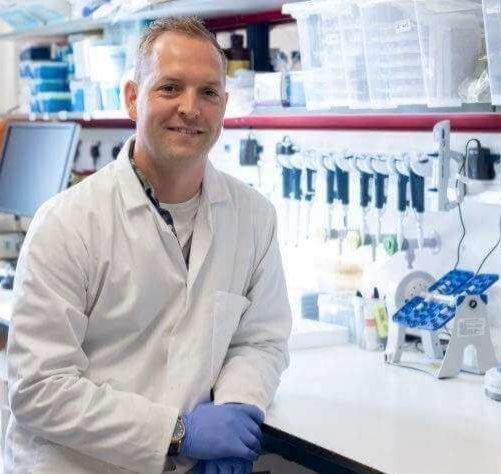
A team of researchers from Sussex, led by Dr Rhys Morgan and Dr David Palmer, has secured a prestigious grant from Cancer Research UK to improve patient survival for a hard-to-treat leukaemia by diagnosing patients earlier and offering targeted treatments.
Many treatments for leukaemia rely on highly toxic chemotherapies which are used in a blanket ‘one-size-fits-all’ manner. The team hopes to develop new ways to identify patients who will be susceptible to newer, more targeted approaches. |
|
|
They will study the RUNX1 molecule which is vital for making healthy blood but is frequently mutated in leukaemia. RUNX1 mutations reduce the survival chances of leukaemia patients but there are currently no suitable options for directly targeting this mutation with drugs.
The more functioning molecules a cell can build, the more of a survival advantage it will possess, and a mechanism called ‘translation’ is responsible for building those molecules. This process is often hijacked in the generation and progression of leukemia. Targeting ‘translation’ may represent an Achilles heel for certain types of RUNX1 mutations as new data indicates drugs that inhibit translation are particularly effective at killing cells carrying these RUNX1 mutations.
The team will use cutting edge laboratory and modelling techniques to identify the exact type of RUNX1 mutations which could be vulnerable to therapies targeting translation.
Dr Morgan, Associate Professor of Cancer Biology in the School of Life Sciences, describes the significance of this project:
“This research builds on the exciting discovery by Dr Palmer that specific types of RUNX1 mutations alter the behaviour of leukaemia cells in ways not previously understood. In this study we intend to exploit these vulnerabilities by modelling different types of RUNX1 mutations in the lab and assessing their sensitivity to targeted agents.”
Dr Palmer, Clinical Research Fellow and Haematology Registrar at UHS NHS Trust adds “The prognosis for this leukaemia subtype is very poor so understanding how specific RUNX1 mutations drive the disease, and matching them to a tailored therapy, will allow us to intervene much earlier in a patient’s treatment journey and prevent disease progression.”
The study will be run in collaboration with researchers from Brighton & Sussex Medical School, the University of Glasgow and University of Nottingham.
|
|
|
|
Energy-hungry AI and air conditioning risk wiping out climate gains made by renewables |
|
|
The rapid expansion of renewable energy is being used to meet rising electricity demands rather than displacing fossil fuels, according to new research by the University of Sussex.
Energy-hungry artificial intelligence data centres and greater use of air conditioning, in a fast-heating world, are among several factors threatening to undermine the climate gains made by renewables, according to the paper published in Nature Reviews Clean Technology. |
|
|
Researchers from both Sussex and Vienna’s Central European University found record growth in solar power in the first three quarters of 2025. For the first time this rise in clean electricity outpaced global growth in electricity demand, yet the researchers warn this fragile balance is now starting to tip back the other way.
Analysis of global energy demand in 2025 found artificial-intelligence data centres are a major driver, alongside increased use of air conditioning as people struggle to cope with hotter temperatures. Electrification of transport and consumer trends such as bigger cars were also highlighted as culprits. The report found these pressures are eroding efficiency gains made by individual countries.
“Renewables are scaling at record speed, but demand growth from data centres, cooling and transport is running just as fast,” said Professor Felix Creutzig, Bennett Institute Chair at the University of Sussex. “We need policies that curb unnecessary energy use and shape demand so that clean electricity can have the intended effect of cutting emissions from fossil fuels.”
|
|
|
Sussex researcher appointed Fellow of Academy for the Mathematical Sciences |
|
|
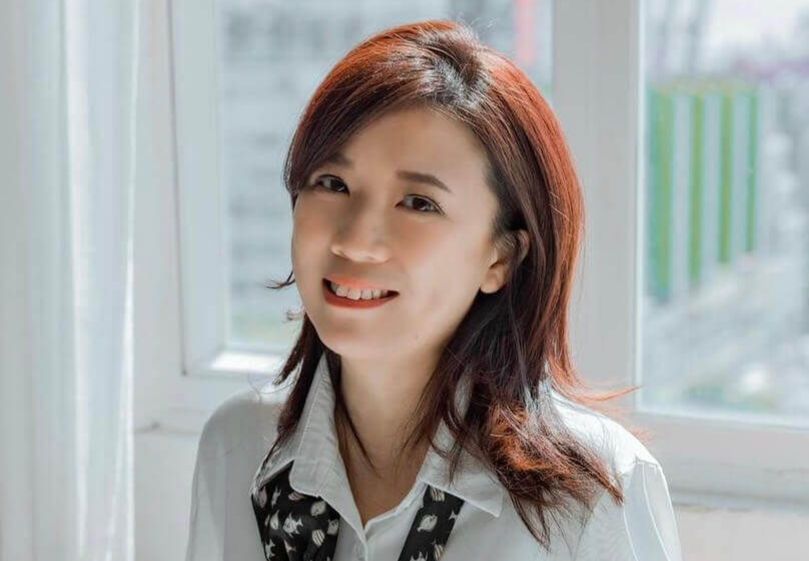
Karrie Liu, a Sussex doctoral researcher and data science entrepreneur, has been appointed a Fellow of the Academy for the Mathematical Sciences in recognition of her commitment to using mathematics for public good.
Currently completing a part‑time PhD in women’s health, Liu was selected as part of the Academy’s inaugural cohort of Fellows. |
|
|
Liu said: "This is such a great honour. This fellowship is a reminder that diversity in mathematics is not just about who we are, but how knowledge is created, applied, and valued. Mathematics takes many forms: theoretical, applied, industrial, interdisciplinary. It is sharper, richer, and more useful when all of those are taken seriously.”
Liu is the Director of Hypatia Analytics Ltd, the consultancy she founded in 2019 to help NHS organisations, life‑sciences companies, and health‑technology partners make better decisions through data. Her work focuses on translating complex mathematical models into practical tools that support clinicians, commissioners, and policymakers.
She has held senior analytical roles within the NHS. For her PhD (supervised by her Sussex colleagues Associate Professor James Van Yperen, Dr Marianna Cerasuolo and Associate Professor Elizabeth Ford), she is looking at how optimisation and operational research can improve the design of women’s health hubs within real NHS constraints.
|
|
|
Comment: Can we find more ethical and effective uses of children’s information in local authorities? |
|
|
|
By Liam Berriman
Local authorities in England could significantly improve outcomes for children, young people and families by transforming how information is gathered, interpreted and used, according to our new national framework.
I am part of a team from Sussex, including Professor Lisa Holmes, Dr Ruth Goodman and Emeritus Professor Elaine Sharland, who have helped develop a new framework that highlights an urgent need for more equitable and voice‑informed approaches to information use.
|
|
|
The framework features in a major new publication, the Children’s Information Project Report, that calls for a shift away from fragmented datasets and narrow reporting requirements.
Ethical and effective use of children’s information is central to national and local government’s ability to understand and address children’s needs. But at present, we cannot target children’s needs effectively enough because we have inadequate information on what these needs are.
We are proposing ethical, voice‑respecting and publicly accountable ways of working with children’s information, that will ensure children’s voices and experiences are embedded at the centre of practice and decision‑making. This includes bringing more of the views, wishes, feelings and lived experiences of individuals into the information that is recorded and used in decision-making about children’s local authority services.
The report builds on work by the Centre for Innovation and Research in Childhood and Youth (CIRCY), a University of Sussex Centre of Excellence with a long tradition of centring children’s and families’ voices in research. The study also sits at the intersection of the University’s core themes of Human Flourishing and Digital and Data Futures – asking how emerging digital information systems in local authorities can best respond to the needs of children, young people, families and communities.
Other current and former Sussex researchers who have contributed to this framework include Emeritus Professor Gillian Ruch, Dr Perpetua Kirby, and Dr Caitlin Shaugnessy. Funded by the Nuffield Foundation, the work has involved a five-year collaboration between four local authority partners, a consortium of universities led by the Rees Centre at the University of Oxford’s Department of Education, and Research in Practice.
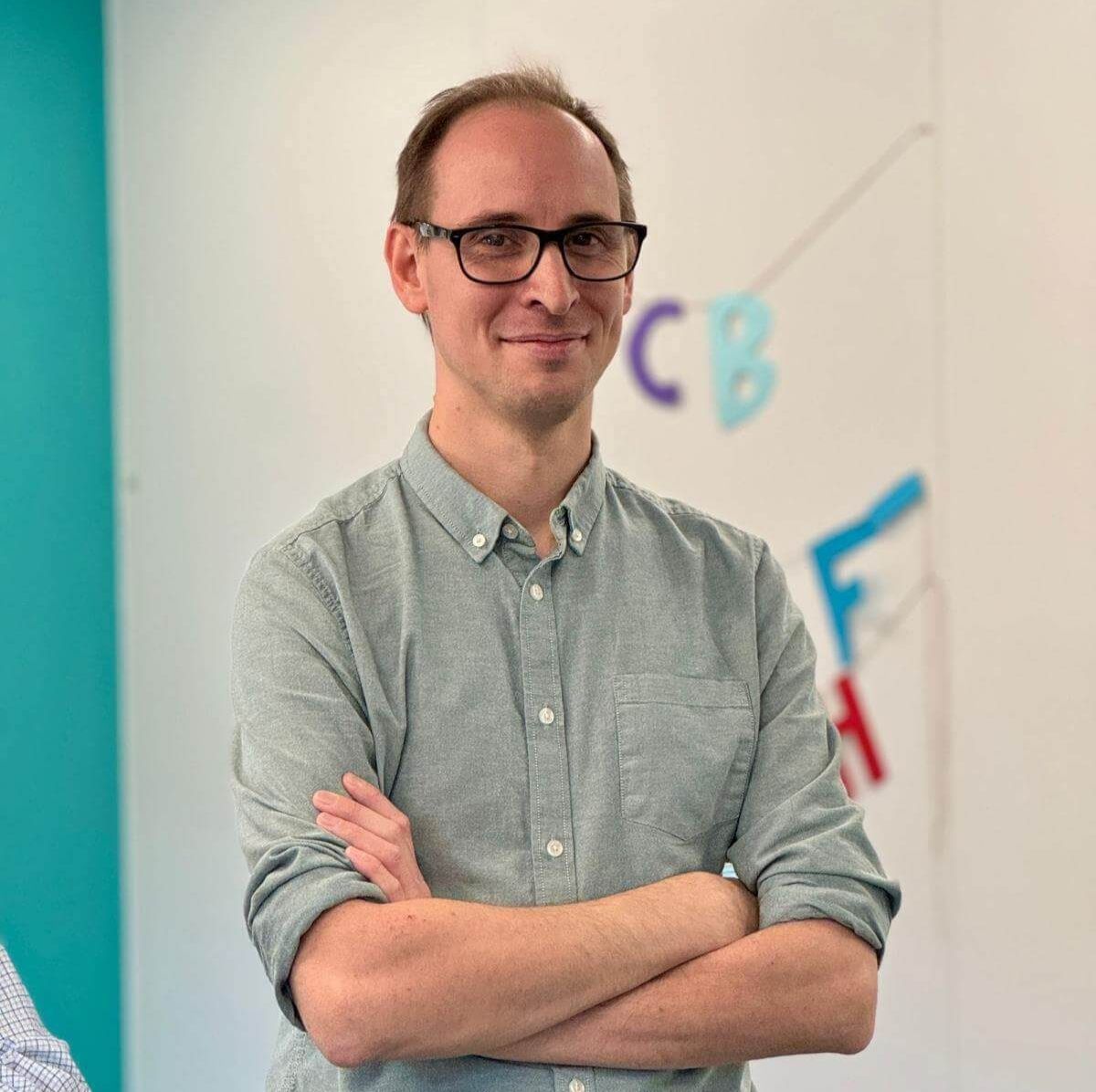
Dr Liam Berriman is Director of the Centre for Innovation and Research in Childhood and Youth at Sussex.
|
|
|
|
Professor Felix Creutzig (as featured above), warned of the climate impact of surging energy demand from AI data centres and air conditioning in BusinessGreen and other UK and international outlets.
On BBC Radio 4, Professor Anil Seth discussed whether AI could shape the way we think, stressing it should amplify our thinking rather than replace it, especially for younger people.
Professor Carol Alexander appeared on BBC News to discuss recent falls in Bitcoin and other cryptocurrencies, warning that the volatility is starting to infect other assets, including gold.
ITV Meridian featured Professor Michael Beverland discussing AI that turns historical photographs into colour moving images, noting it can build empathy and spark conversation, but warning there’s little protection to deal with false images.
|
|
|
|
We hope you have enjoyed this edition of Research at Sussex. We would love for you to share it with your friends, colleagues, and collaborators – they can subscribe here.
|
|
|
|
|
|