Can reading help children become more empathetic?
|
|
|
|
|
Thursday 18 December 2025
|
|
|
|
Sussex and BSMS secure £4 million in mental healthand social care funding |
|
|
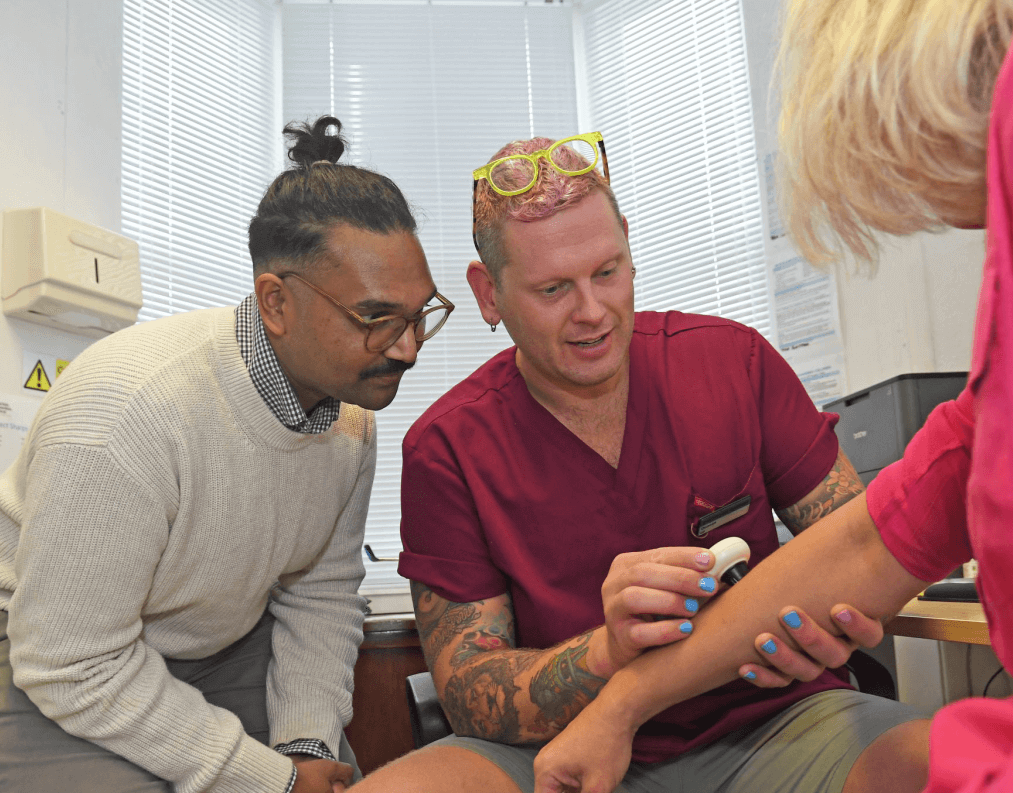
The University of Sussex and Brighton and Sussex Medical School (BSMS) have secured £4 million as part of a £10.6 million National Institute for Health and Care Research (NIHR) award.
From April 2026, this renewed five-year funding for the NIHR Applied Research Collaboration (ARC) in Kent, Surrey and Sussex (KSS) will support research that tackles the region’s most urgent health and social care challenges.
|
|
|
Professor Clara Strauss, Co-Director of ARC KSS, will coordinate Sussex’s contribution. Two Sussex-led programmes will focus on mental health and on early years and parenting. Professor Kathryn Greenwood will lead work on mental health during critical life transitions and for underserved groups, while Professor Michelle Lefevre and Dr Jeri Damman will co-produce new approaches with local authority children’s services to better support vulnerable and marginalised families.
This work reflects the three transformational themes of our Sussex 2035 Strategy – human flourishing, environmental sustainability, and digital and data futures – and will build long-term research capacity across the region.
|
|
|
|
New research finds strong links between reading and empathy in children |
|
|
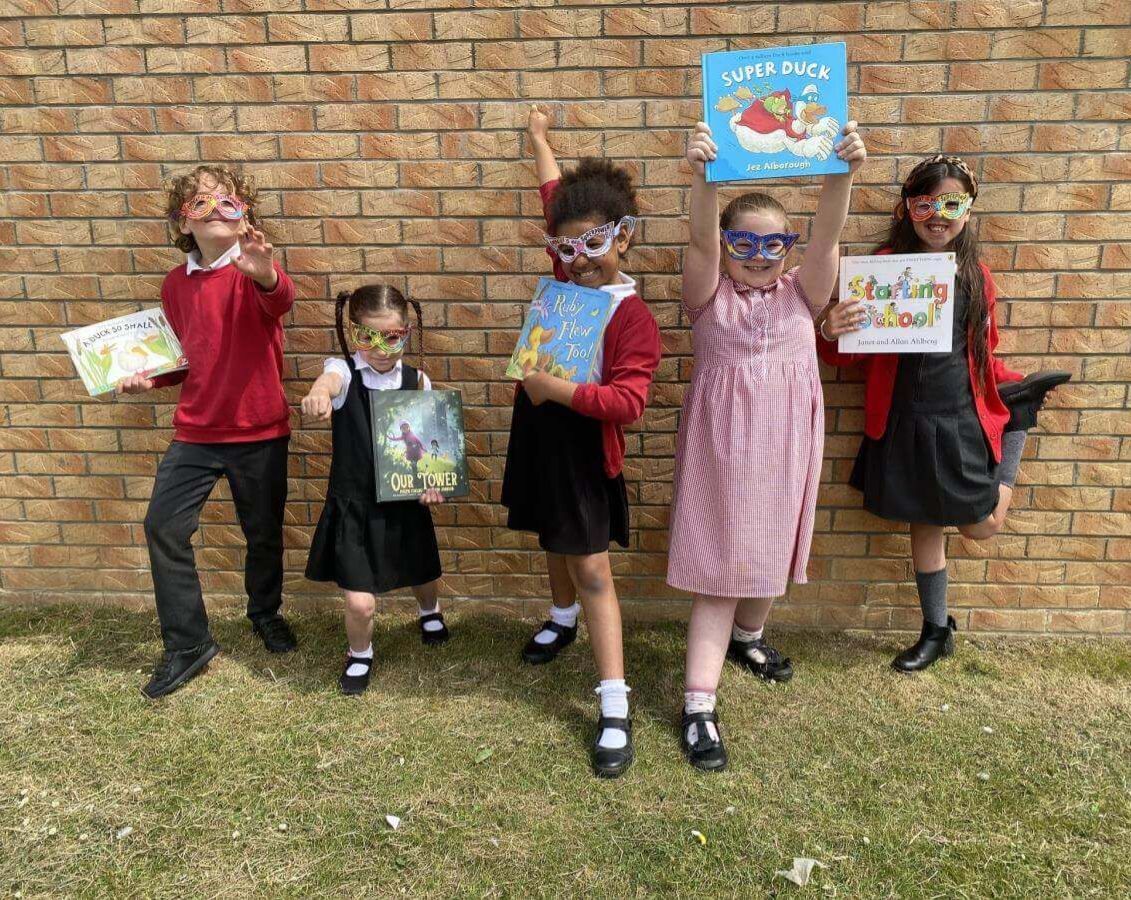 |
Students at Great Coates Primary Academy, Grimsby |
|
Children’s reading and empathy appear to develop side by side, each supporting and strengthening the other.
This was one of the top takeaways from recent research by Dr Persefoni Tzanaki, Postdoctoral Research Fellow in Psychology at the University of Sussex, working with impact partner EmpathyLab – a charitable social enterprise whose mission is to raise an empathy-educated generation. |
|
|
The findings were presented at Raising Generation Empathy Conference, on 27 November, which explored the relationship between reading and children’s wellbeing and psychology.
Empathy equips young people with the emotional toolkit to navigate disagreement and uncertainty, to build friendships, participate in their community, be good listeners and be critical thinkers who recognise how differences can create connections between people.
The ‘Reading Feelings’ research project, backed by the Economic and Social Research Council (ESRC), is the first longitudinal study on reading and empathy carried out in UK primary schools. Not only does this evidence powerfully prove that reading in combination with creative immersion and discussion develops empathy, but that crucially the benefit works in both directions.
As society looks for ways to strengthen children’s social and emotional development, this emerging evidence suggests that reading could become a key part of the solution. |
|
|
How Sussex expertise is seeking solutions to Indonesia’s food security challenges |
|
|
|
|
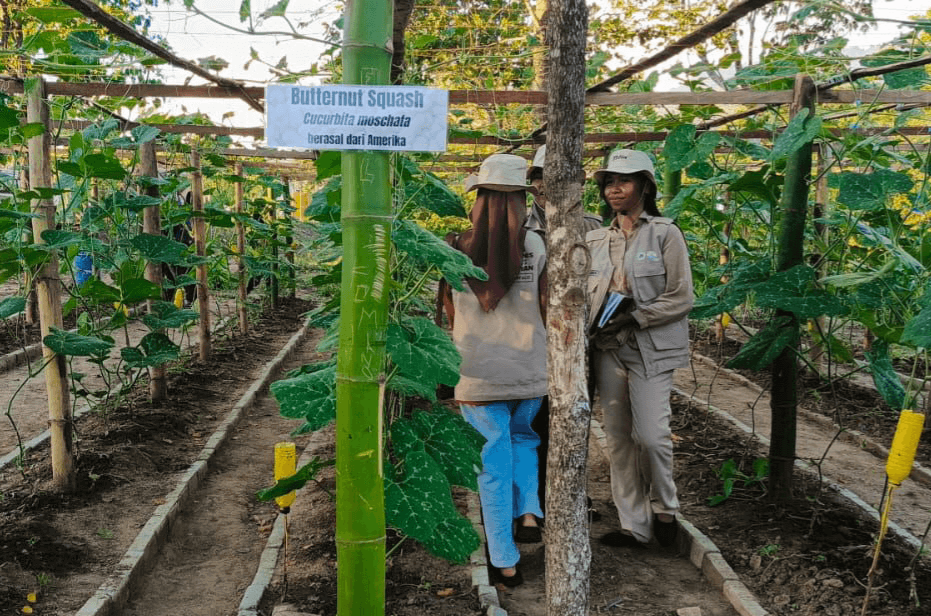
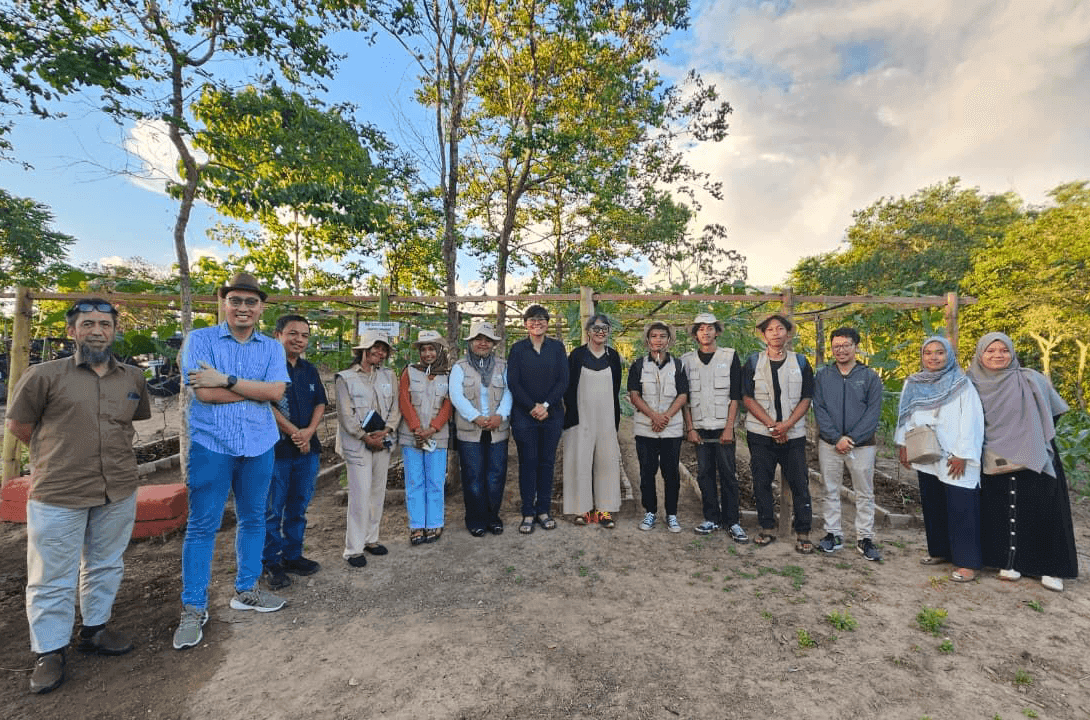
An interdisciplinary research team from the University of Sussex is helping to shape food security policies for Indonesia as the country faces severe climate events, including floods, droughts and forest fires.
Professor Fiona Marshall leads the Land-use, Ecosystems, Agriculture, Food security (LEAF) Indonesia project, run in partnership with Professor Novi Quadrianto and Professor Jeremy Reffin, and working with Indonesian universities, government agencies, NGOs and farming communities across the country.
As Professor Marshall explains: “Land use to ensure national food security goals can pose serious trade-offs with biodiversity, local livelihoods and climate resilience.
“By making the system dynamics more visible and bringing local experiential knowledge and innovation together with formal knowledge for integrated decision making, there is enormous potential to build synergies in the form of climate-resilient agriculture.”
To meet the scale of the challenge, LEAF draws on Sussex’s expertise to engage with and shape public policy around the world for sustainably managed land that balances food production, nature and livelihoods.
This includes using the insights of LIMMMA, a dynamic data platform that brings together a raft of ecological and socioeconomic data. The project embodies the progressive futures and global engagement underpinning the Sussex 2035 strategy. |
|
|
Comment: How synthetic drugs reshaped life behind bars, and why prison safety matters for all of us |
|
|
|
By Rocco d’Este
Over the last decade, a new generation of synthetic drugs – often known as “Spice” or “Mamba” – has transformed the reality of life in prison.
Cheap, potent, and very hard to detect, these substances spread rapidly through prisons in England and Wales in the early 2010s. What followed was a sharp and alarming rise in violence: assaults against staff and other prisoners increased, and incidents of self-harm multiplied. |
|
|
In my recent research, I studied what happened inside prisons when the government introduced a blanket ban on these drugs in 2016. The goal was straightforward: remove the supply, reduce the harm. But my findings show that the policy had unintended consequences.
By sharply reducing availability without reducing demand, the ban drove up prices and strengthened the grip of those controlling the illicit market. As drugs became scarcer and more expensive, disputes over debts and access intensified, increasing tensions and incidents of violence among prisoners. At the same time, in establishments with little or no access to effective treatment programmes, many individuals experienced acute withdrawal and desperation – contributing to a further rise in self-harm.
This matters far beyond the prison walls. Most people in custody will return to our communities. When individuals spend months or years in violent, chaotic and traumatising environments, we are not just failing them – we are also shaping the behaviour and wellbeing of the people who will soon be our neighbours, co-workers and family members. Unsafe prisons breed insecurity outside them.
The evidence suggests that containment alone is not enough. If we want safer streets, prisons must provide credible treatment options alongside stable leadership that supports safety and rehabilitation. Safety inside must be the foundation – not an afterthought.
Rocco d’Este is Associate Professor in Economics at the University of Sussex Business School.
|
|
|
|
Professor Benjamin Selwyn wrote in The Conversation about how global food supply chains can worsen food insecurity by undermining local producers and increasing dependence on volatile world markets.
Professor Clive Webb co-authored a History Today article on Sarah Mae Flemming, highlighting the overlooked role of Black women whose legal challenges helped dismantle bus segregation in the US South.
Dr Runyu Shi and Professor Dimitra Petrakaki featured on BBC News discussing their research showing that AI therapy chatbots work best when users feel emotionally connected to them, while warning about the risks of “synthetic intimacy”.
Professor Anil Seth spoke to Popular Mechanics about his work on consciousness, explaining how everyday hallucinations reveal the brain’s active role in constructing our experience of reality.
|
|
|
|
We hope you have enjoyed this edition of Research at Sussex. We would love for you to share it with your friends, colleagues, and collaborators – they can subscribe here.
|
|
|
|
|
|