Thank you for subscribing to Environment Matters, keeping you up-to-date with the latest environment and waste news from Leicestershire County Council. This email looks better with images enabled. |
|
To view this email online, |
|
|
|
Autumn Edition 2026 |
Welcome to the Autumn edition of Environment Matters
We hope everyone has had a wonderful summer and enjoyed some of the warmer weather we've experienced over the past few months. As the holidays come to an end and we settle back into our usual routines, we're also marking Recycle Week, a great opportunity to think about the positive actions we can all take for our environment. In this edition, you'll find updates from our nationally funded reuse project, tips on getting your compost ready for autumn, and highlights from a recent crayfish workshop held in Melton. We'll also be introducing a new toolkit designed to support communities in taking practical action to improve their local environment and make a positive difference where they live. We hope you enjoy this edition and find plenty of inspiration to get involved in environmental action in your local area.
|
|
|
Rescue your Recyclables during Recycle Week |
 |
This week is national Recycle Week, an annual campaign organised by Recycle Now. The theme is Rescue Me, Recycle, encouraging us to recycle the bathroom items that often get forgotten, such as aerosol cans, glass perfume or scent bottles, plastic bottles from hair and body products (and cleaning products!), toothpaste tubes and the cardboard roll from toilet paper.
Keep an eye out for some new characters and storylines popping up on our social media channels during the week. We’ll also be out and about at various venues engaging with residents - see the events section of our Lesswaste website.
Remember that recycling these everyday items prevents them from going to waste and helps to preserve our natural resources. Capturing these forgotten items can really make a difference. Our individual actions do matter and collectively make a significant impact.
Bottles and containers do need to be rinsed first but for something like a toothpaste tube, ensure the contents are fully squeezed out, pop the lid back on and recycle. You no longer need to remove the trigger spray heads from plastic bottles either, they can now be recycled.
|
| Find out more about Recycle Week |
|
|
|
|
Start composting this autumn |
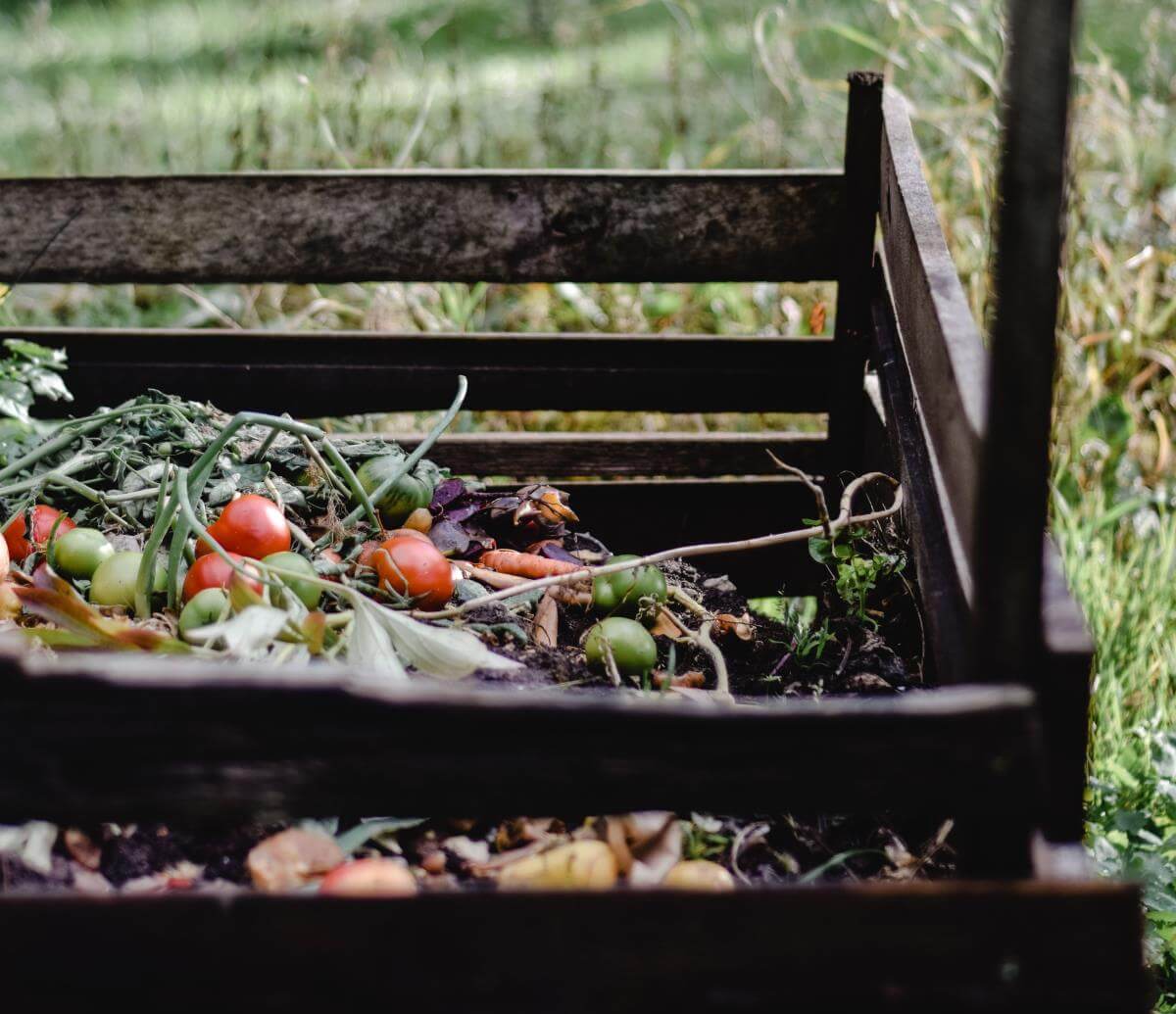 |
Autumn is one of the best times to start or boost your home composting efforts. As leaves fall and gardens are tidied for winter, there is an abundance of compostable material ready to be transformed into black gold. Home composting helps reduce waste and creates nutrient-rich compost that can improve soil structure and support healthy plants. Within a year you could also save on buying bags of compost, saving you money.
Composting can be easy: for successful composting, aim for a good balance of “greens”, such as fruit and vegetable peelings or coffee grounds and “browns”, including woody prunings, dry leaves, cardboard or shredded paper. This mix provides the right balance of nitrogen and carbon needed by the microorganisms that break down organic matter.
To learn more, why not come and try one of our free workshops which are running across Leicestershire at https://www.lesswaste.org.uk/community-involvement/
|
| Get more composting advice |
|
|
American Signal Crayfish Trapping Workshop held in Melton |
|
|
|
|
American Signal Crayfish were first introduced to Europe from North America in the 1960s for farming and consumption. They have become an invasive species and spread widely, posing a significant threat to native ecosystems. Signal crayfish voraciously eat both plants and animals, disrupting local ecosystems.
The species that has suffered the most is our native, White-Clawed Crayfish, with populations plummeting by an estimated 70% to 80%. The White-Clawed Crayfish is the UK’s only native crayfish and is identified as a priority species in the Local Nature Recovery Strategy.
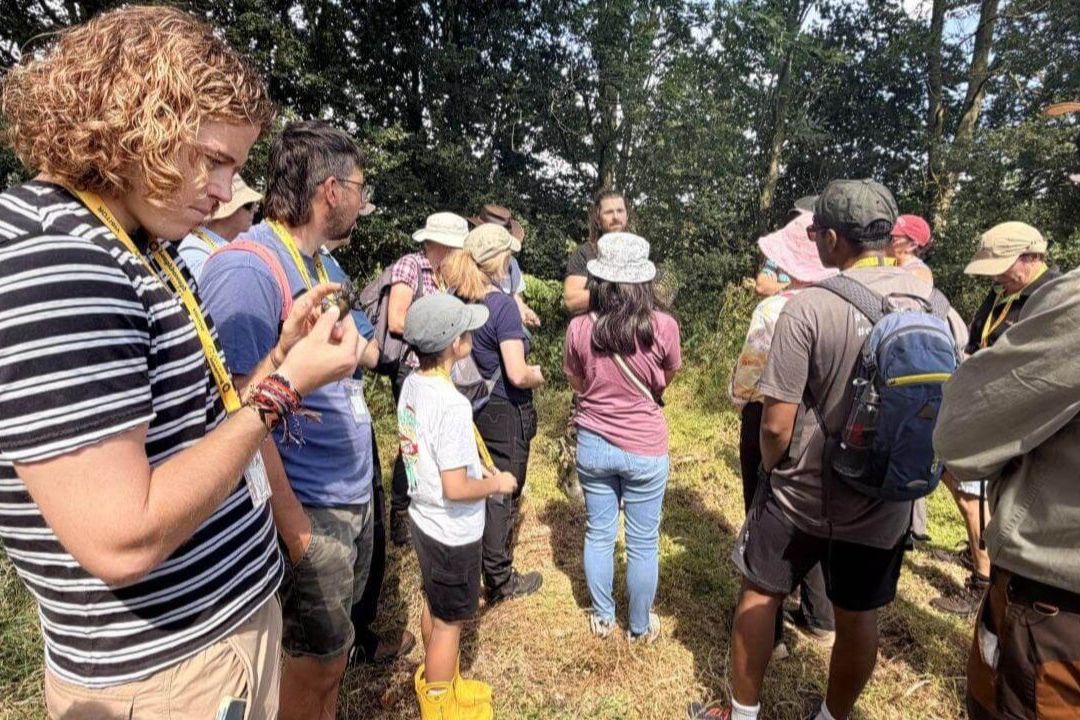
The council work with local communities and partner organisations to control invasive species across our countryside. As part of this work Leicestershire County Council funded and delivered an American Signal Crayfish identification and trapping workshop at Brooksby College Campus, Melton which was led by local experts Alex Gray (Brooksby College) and Roseanna Burton (Leicestershire County Council Environmental Partnerships Officer), who leads on the council’s invasive and non-native species work.
Participants took part in a riverside survey of the River Wreake, where pre-set traps were checked by licensed trapper Alex Gray. Trapping without a licence is illegal. Captured crayfish were identified, measured and sexed before being humanely dispatched as part of ongoing control efforts.
One trap alone contained 15 individuals with 50 invasive crayfish being caught during the whole day.
A big thank you to all who attended and contributed to making the training session a huge success. If you would like further information about the control of invasive species and associated projects, please email the Environment Policy and Strategy Team please contact us below.
|
| Contact us about invasive species |
|
|
New National Lottery-funded project to support repair groups |
|
|
|
|
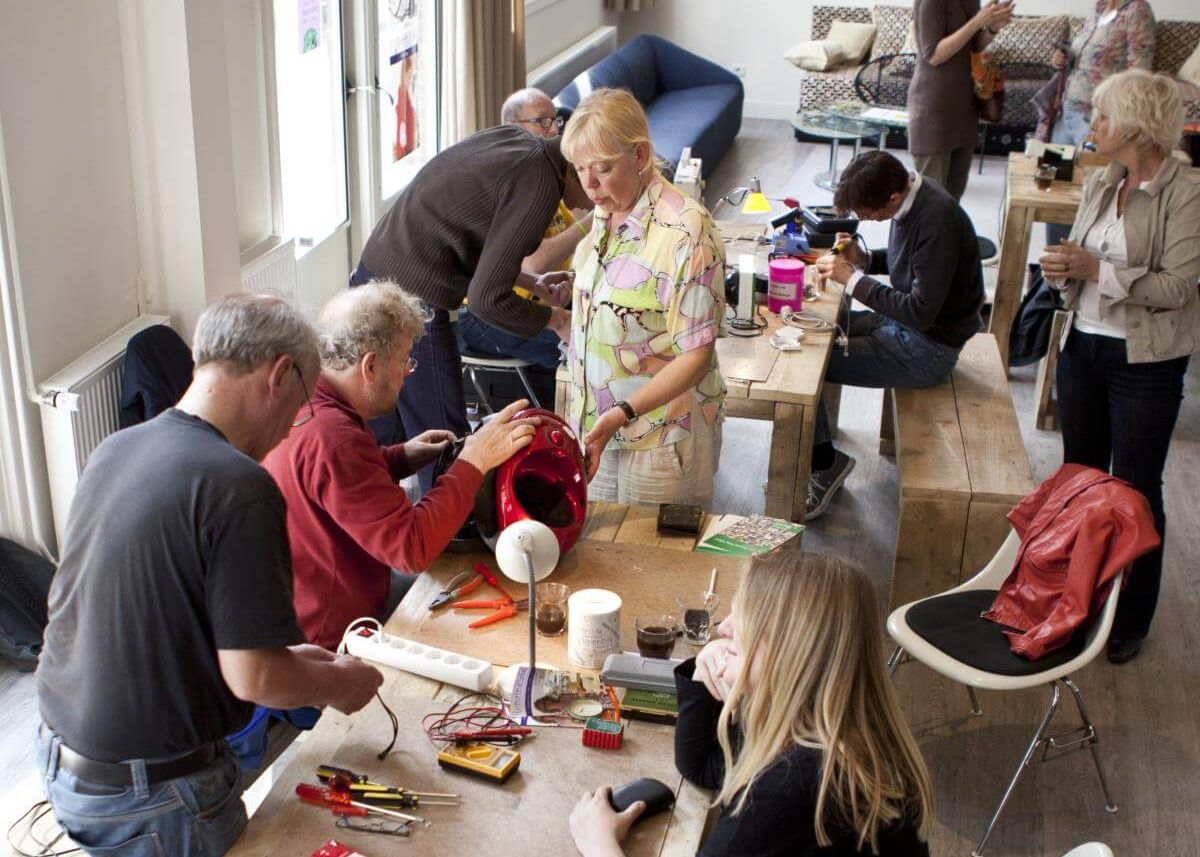
Leicestershire County Council has secured funding from The National Lottery Community Fund to launch the Leicestershire Fixers Toolkit, a new project supporting repair cafés and community repair groups across the county.
The one-year project will help strengthen existing groups and support communities interested in starting repair activities, helping more items stay in use for longer and reducing waste.
|
| Find out more about Repair Cafes and how you can get involved |
|
|
|
|
Walking, wheeling, and cycling to school |
 |
The journey to school can be a great opportunity for children to get moving, enjoy some fresh air, and start the day feeling ready to learn. Whether it's walking, cycling, scooting, or wheeling, active travel can make a real difference.
For families who need to drive, even walking part of the journey can help reduce traffic and improve safety around the school gates. Every step, wheel turn, or pedal counts.
So why not leave the car at home when you can and choose a healthier, greener way to travel to school?
|
| Find out more on Choose how you Move |
|
|
Saving our rarest plants across Leicestershire, Leicester & Rutland |
 |
A new Local Nature Recovery Strategy (LNRS) funded project is helping to safeguard more than 60 of the rarest native plants in Leicestershire, Leicester and Rutland before they are lost forever.
Working alongside local botanists, county recorders, Leicestershire and Rutland Wildlife Trust, Bradgate Park and members of the LNRS Steering Group, a new partnership has been established to protect these threatened plants and secure their future.
Over the next three years, a dedicated project coordinator, funded through the LNRS, will lead efforts to locate and safeguard local populations, collect seed to be frozen in our local Gene-Bank, support landowners with conservation advice and help build a new volunteer network.
By preserving seed from local populations, the project will protect the unique genetic diversity of our area's plants for future generations while supporting land managers to conserve species in their natural habitats.
The project is already making excellent progress. Despite a challenging summer and with the main seed collection season only just beginning, local botanists have successfully collected seed from eleven rare species including Deptford Pink, Yellow Star-of-Bethlehem, Bitter-vetch, Dyer's Greenweed and Narrow-leaved Water-dropwort.
The long-term ambition is not only to prevent the loss of these species, but also to strengthen the existing populations and, where appropriate, support their re-establishment across the landscape in partnership with organisations such as Natural England and neighbouring counties.
Local people can play an important role by learning to identify rare plants, helping monitor populations, collecting seed under guidance, and even using their gardening skills to help propagate plants for conservation.
Together, we can find them, protect them, save their seed and secure a future for some of our region's most precious native wildlife.
More information on how to get involved will be published this autumn. |
| Learn more about the Local Nature Recovery Strategy |
|
|
Funding available to residents to become more energy efficient |
 |
Residents looking to make their homes more energy efficient can now access increased government funding to help cover the cost of upgrading their heating systems.
Through the national Boiler Upgrade Scheme, homeowners who currently rely on heating oil or LPG may be eligible for grants of up to £9,000 towards the installation of a heat pump. The enhanced funding is available until March 2027 and now includes support for air-to-air heat pumps, which can provide both heating and cooling.
Alongside national grant funding, our Warm Homes team offers free, tailored advice to help residents reduce energy costs and keep their homes warm and comfortable.
Eligible residents can receive one-to-one support at home from a visiting officer, including advice on reducing energy use, identifying suitable grants and accessing other schemes that may help improve energy efficiency.
To find out what support may be available, complete the self-referral form or contact the Warm Homes Team on 0116 305 2524 |
| Click for available grants & energy efficiency support |
|
|
Introducing the Sustainable Communities Toolkit |
 |
A toolkit designed to help and inspire parish and town councils as well as community groups to improve their local environment and strengthen community resilience is being officially launched this month.
The Sustainable Communities Toolkit brings together practical information, guidance and resources to support local action on a range of environmental issues including energy efficiency, biodiversity enhancement and adaptation to severe weather events.
To mark the launch, Leicestershire County Council is hosting two free webinars to introduce the toolkit and share examples of good practice. The sessions will also feature guest speakers from the Local Resilience Forum and the council’s Environment Team who will share advice, experiences and opportunities for communities looking to get involved.
The webinars are on the 17 and 21 September.
|
| Find out more and sign up here |
|
|
|
|
|
|
If there is anyone you know that would be interested in signing up to Environment Matters, please forward them the website link below
|
| Environment Matters sign up page |
|
|
This message was sent to using Newzapp. You are receiving this email because you have previously subscribed to receiving the Environment Matters newsletter. If you wish to continue with the subscription then please click here to Manage Preferences or Unsubscribe. You can change your mind anytime.
|
|
|
|
|