This email looks better with images enabled.
|
|
To view this email online,
|
|
|
|
Harborough District Communities News
| April 2026 - focus on community action to support mental wellbeing
The aim of this newsletter from Harborough District Council (HDC) Community Engagement Team is to keep you informed and up to date with community development activities at the council and elsewhere and to share information, resources and success stories between you to support communities, build networks and relationships, and share ideas and good practice.
This month we have a focus on community action to support mental wellbeing before Mental Health Awareness Week in May. We'll keep you informed about any upcoming events inside and outside the council. Let us know if you've got anything to share.
Please share this newsletter with relevant colleagues, they can sign up below. |
|
|
|
The Community Engagement Team
Opportunities to get involved!
Grants
Around the district - community action to support connection and wellbeing
Young people
Consultations Getting support |
|
|
|
The Community Engagement team has been busy connecting with communities, supporting funding opportunities and seeing local projects in action.
Grants Officers Claire Betts and Serretta Morris have been busy with applications for round three of year two which closes on 11 May 2026. Claire and Serretta have hosted two webinars covering help on completing the application form and answering questions on the scheme in general. |
|
|
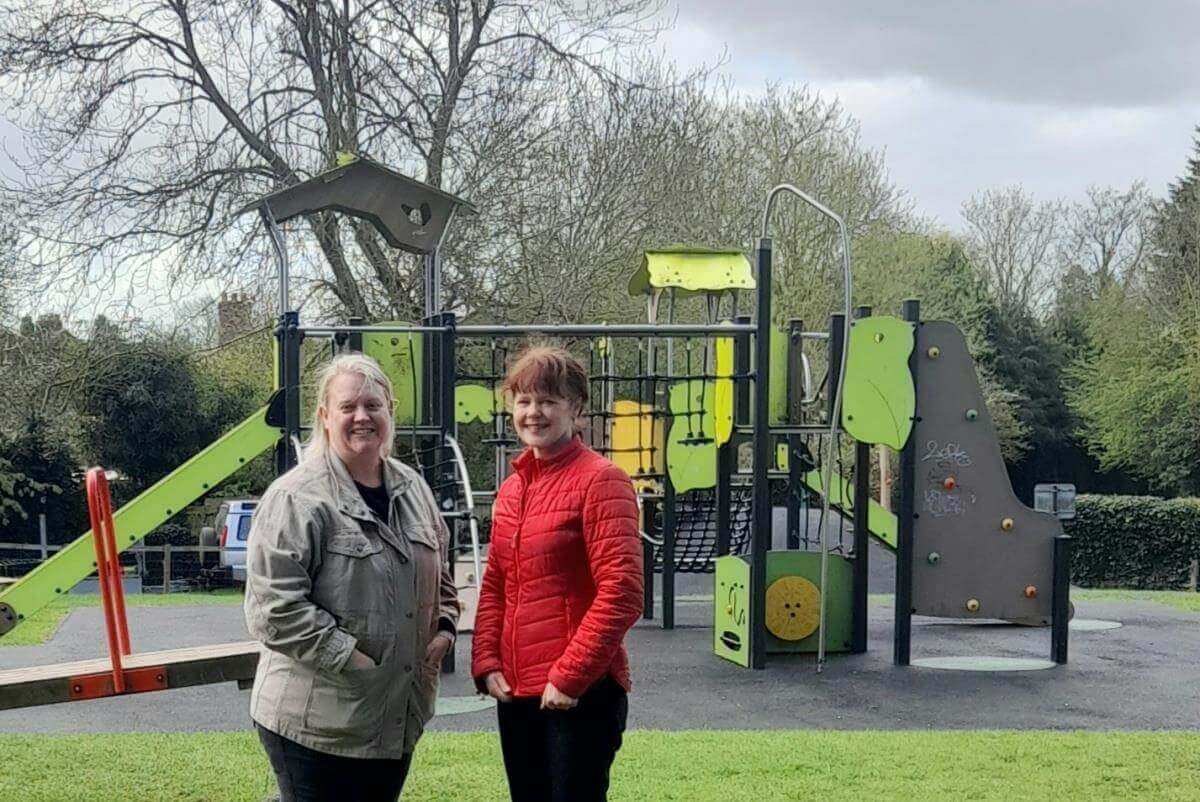
Claire and Gemma Finan, Community Development Officer, visited the new play area in Great Glen which has been funded by Harborough District Council's Community Grant, pictured above.
|
|
|
|
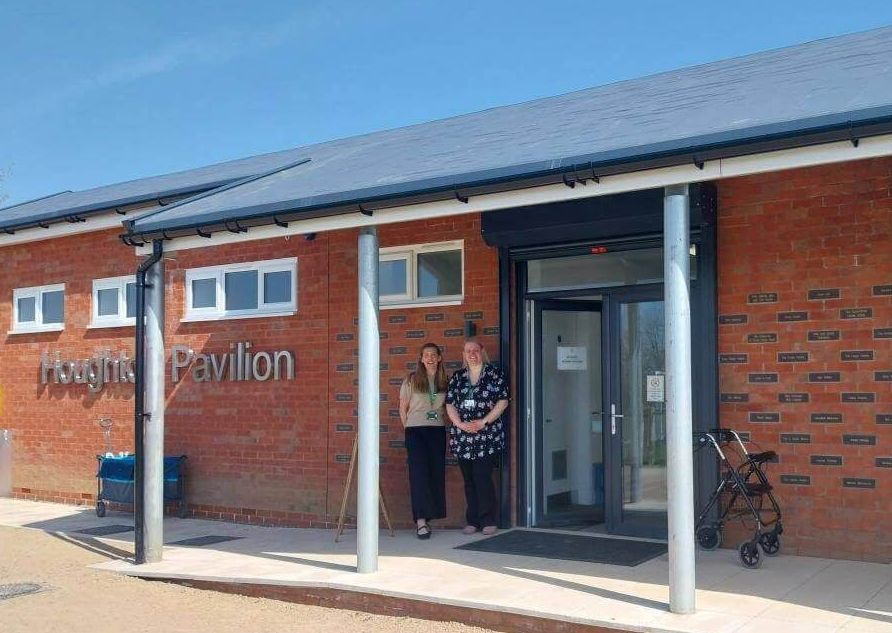
We've had a couple of visits to Houghton: Serretta and Gemma visited Houghton Field Association's new pavilion to see the Community Café and Pantry in action (pictured left), and Becky Nixon, Community Engagement Manager and Gemma attended Houghton Parish Council's AGM to talk about the youth club consultation that they've been working on with them.
|
|
|
Gemma and Becky Nixon, Community Engagement Manager, are continuing to work with Citizens Advice and other groups across the district on a project to create a network of support across the district, particularly in rural areas, so residents are better able to get help where they are. We're still keen to talk to parishes and other groups to build up evidence for funding applications.
|
|
|
Our new communities webpages |
|
|
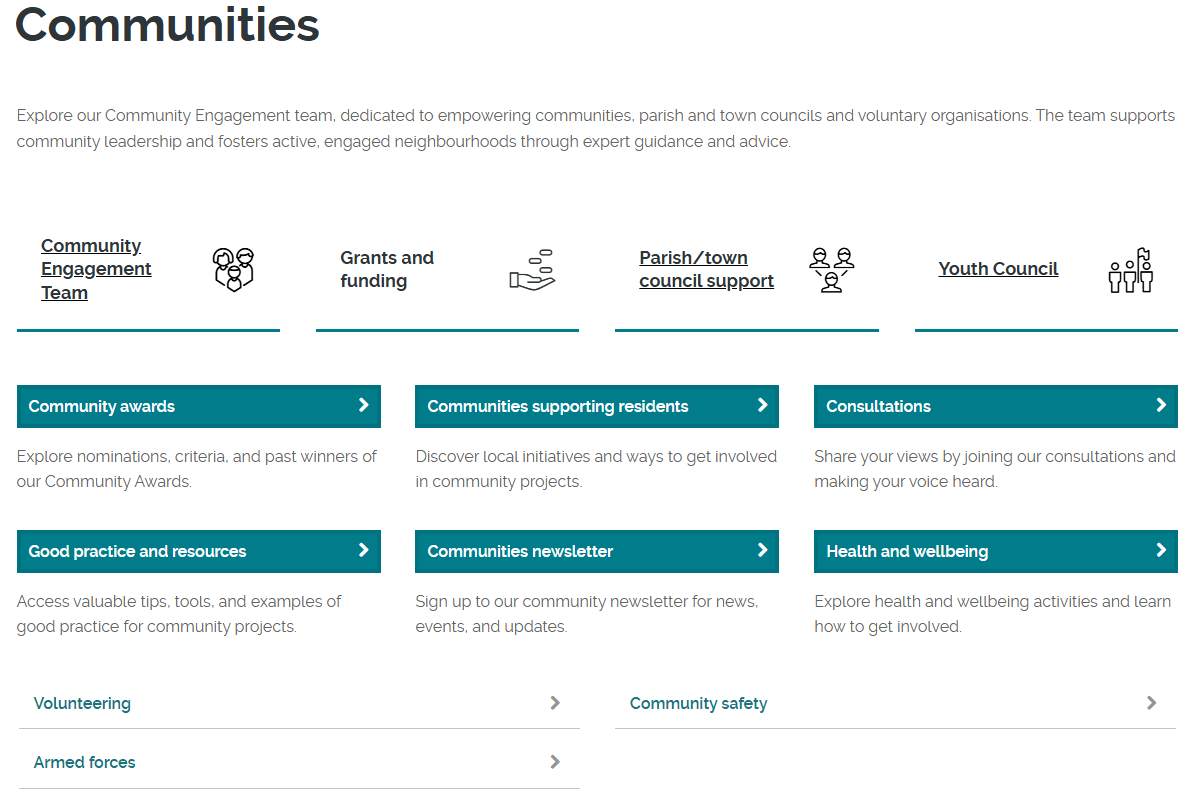
We are excited to launch our new Communities webpages. These pages provide a handy, user-friendly hub where you can find information on a wide range of topics, not just related to the work of our team, but also to wider HDC community initiatives,
Have a look around and tell us what you think and let us know if there are other resources that you'd like to see from the team. |
|
|
Mental Health Week - tell us about wellbeing activities in your community |
|
|
This year's Mental Health Awareness Week takes place from 11 – 17 May. The theme this year is “Action” – Action for yourself, for someone else, for all of us. Awareness is so important, but real change comes from taking action.
Mental health can be impacted by several different factors, for example social isolation, which can be a real issue, particularly in rural areas of the district. We know there are a lot of groups and activities that happen in different areas, and the Community Engagement Team is busy mapping them out to better support groups and residents. |
|
|
From coffee groups to lunch clubs, knitting clubs to yoga, we want to know what’s on, and where. This will help us to identify gaps and what's missing. We’re also keen to know of any good practice we can share with other areas that may want to set something up locally, but don’t know where to start. Do you have a successful group that’s running to support your residents? What could other places learn for your experiences?
To let us know what you're up to, whether it's an occasional event or something bigger, contact Gemma Finan, Community Development Officer on 07936 360191 or by email. |
|
|
Opportunities to get involved
|
|
|
Digital and financial inclusion - "no wrong door" |
|
|
What we're doing and why we're doing it
|
|
|
Over the past few months, we have been working with Citizens Advice LeicesterShire, HDC's Customer Services team and the Churchgate Centre Help Hub in Lutterworth to develop a flexible, multi-entry point system that provides appropriate support for residents at different levels of need, recognising the vital role of community support particularly in villages, and linking HDC departments and community activities together for better referrals.
|
|
|
We are aiming to develop a network of services, in which there is “no wrong door” a resident can enter to get the support they need. We recognise that for residents, it can be difficult to navigate complex systems of support, to know what services are available, who can support with what, and where they can go for support. Fundamentally, “you don’t know what you don’t know” and we’re working to try to make it easier for residents to access the support and services that they need.
|
|
|
The Three Tier Model |
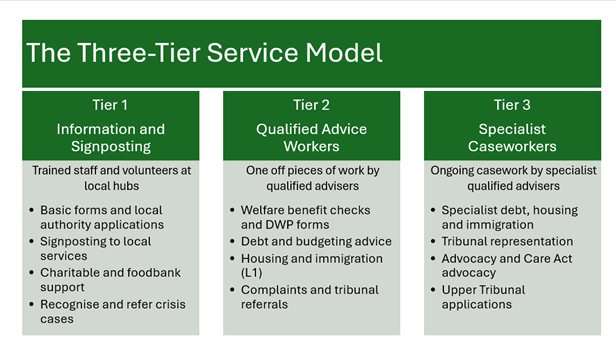
Citizens Advice has worked with HDC Communities Engagement Team and Customer Services to develop a three-tier system to help communities and services know what support can be safely offered at community level and when professional advice services such as Citizens Advice would need to be involved. |
|
|
|
This aims to empower community groups and organisations to feel confident to deliver an appropriate level of support, whilst opening the doors for warm referrals between wider services and ensuring that residents get the right support for them.
What happens next and how you can be involved We are still keen to hear your views and how community groups might like to be involved in two strands of this work, related to the size of your village and existing facilities:
Networking "information hubs" - If you were provided with training and ongoing support, do you have any volunteers or staff who would be willing to help local residents with simple forms, digital tasks, signposting to local services? Mobile outreach to existing groups - for smaller places, if a mobile project is developed centrally, would you be interested in hosting an “information hub” for residents to access support either as part of a current group (such as a lunch club or coffee morning) or as a stand-alone event? Staying safe online sessions - would your residents welcome some support sessions around scam awareness and staying safe online to bring them in and to start to engage?
We are very much at the development stage at the moment, so expressing an interest doesn't mean committing to anything! We are looking for external funding for this project, and still keen to hear any views about residents' needs and would welcome any interest in influencing, providing evidence of need for funding applications, or being a part of the model.
Contact Gemma Finan, Community Development Officer on 07936 360191 or at communities@harborough.gov.uk
|
|
|
This project is funded by the UK government through the UK Shared Prosperity Fund, along with a wider programme of activities in the district.
|
|
|
Listening to young people: supporting a new youth club in Scraptoft through partnership working |
|
|
As we’ve mentioned in previous editions, HDC Community Engagement Team has been working with Scraptoft Parish Council to try to improve activities that are available for young people in the area. Having been raised as an issue by residents in district-wide consultations, it is one of the priorities of the council’s Community Wellbeing Plan and is also a Harborough District Youth Council priority – Youth Council members have already been consulted on what sort of provision they think is needed.
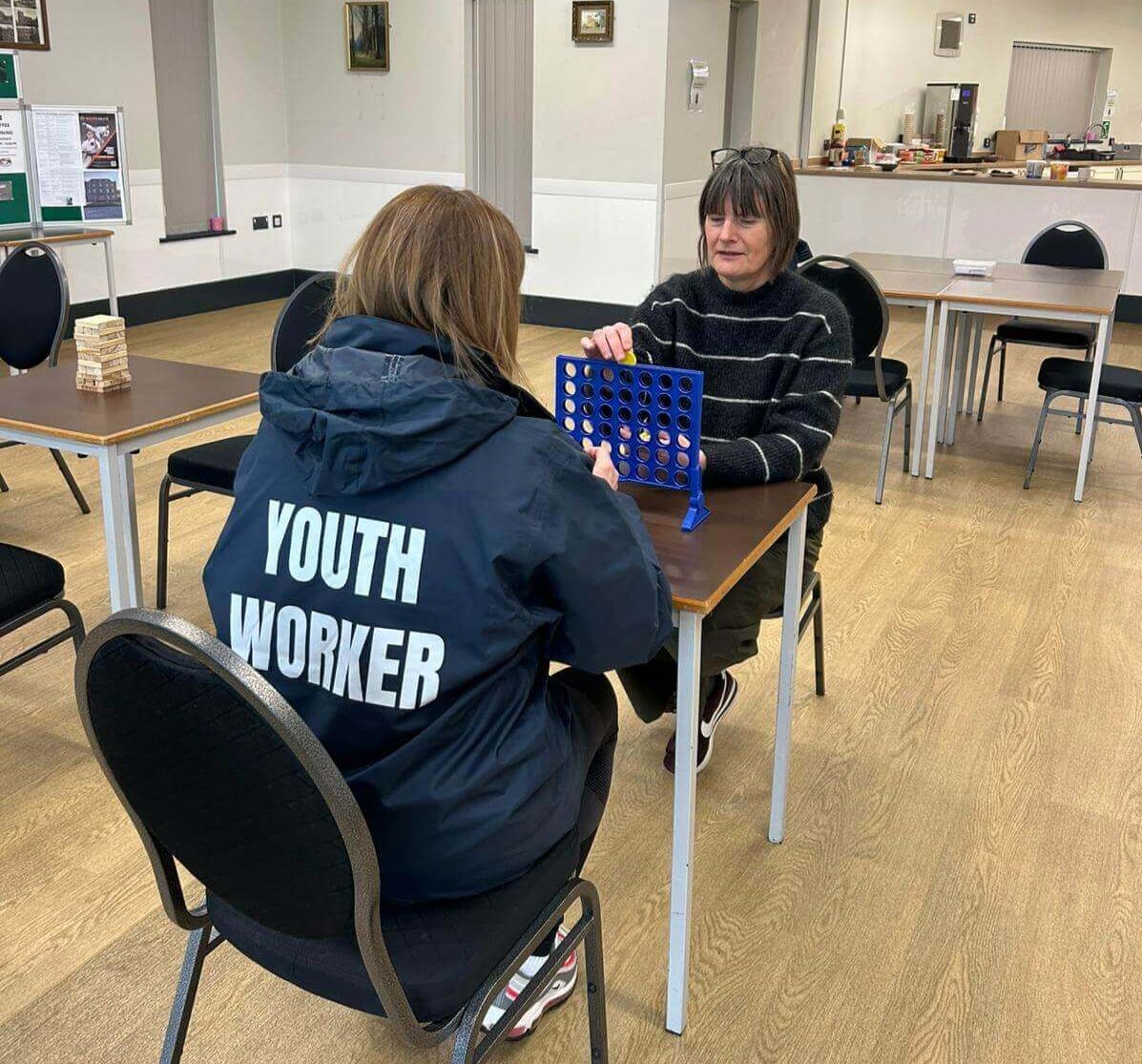
In answer to this, we brought together Scraptoft Parish Council and Young Leicestershire, a local youth work organisation, to explore what local young people would want from a youth club in their area. It was really important to Scraptoft Parish Council to capture the voices of their young residents and find out what they truly wanted and would benefit from.
With the support of the Community Engagement Team, the parish sourced funding to carry out a community based consultation, aiming to ensure any new provision was shaped directly by young people and their families, rooted in local need rather than assumptions. A youth led approach to consultation |
|
|
Youth workers from Young Leicestershire spent time in the village speaking directly with young people, targeting areas where they already gather, as well as talking with parents, carers and other residents. This informal, face-to-face approach proved highly effective, generating 84 responses and enabling conversations with young people who may not have typically engage with more formal surveys.
What young people said |
|
|
The feedback gave a clear and consistent picture of what the young people value including:
· Sports activities · Creative activities including dance, drama, arts and crafts
· Cooking sessions But overwhelmingly what they wanted was a warm, welcome space where they can “hang out” and spend time with their friends, with the support of trusted adults.
For parents and carers, there was a strong support for provision that offers young people something constructive and enjoyable to do locally, benefiting both young people and the wider community alike. What next? |
|
|
Following consultation findings, and the clear need, support and desire for some youth provision in the area, Young Leicestershire are moving into the next phase of delivery, with recruitment under way and the youth club expected to start in the next few months.
Scraptoft Parish Council are keen to share learning and good practice from this process with other areas. Houghton Field Association are also now working with Young Leicestershire to deliver a similar consultation in Houghton, already learning from the work that’s been done in Scraptoft, and Houghton Parish Council has set some funding aside pending the consultation results.
We will keep you updated on the progress being made in both of these areas in future editions. If you’ve recognised an issue around youth provision and are interested in seeing how this could be developed in your local area please get in touch.
For more information, contact Gemma at communities@harborough.gov.uk |
|
|
This project is funded by the UK government through the UK Shared Prosperity Fund, along with a wider programme of activities in the district.
|
|
|
Community Grant updatesRound three of year two - closes 11 May
A reminder that round three will close on 11 May 2026, with a year two underspend round to follow. Full details about how to apply and supporting examples and templates are online.
The Community Grant funding is for capital projects which create lasting assets across the Harborough district, such as improvements to buildings, facilities, or purchasing and installing equipment.
As before, Grants Officers are available to support you with applications and answer any questions you may have. Please continue to share your project ideas with us - we may be able to advise on eligibility and how to apply for the new Community Grant, or suggest alternative sources of funding.
Download the guidance for full information about how to apply and contact Claire and Serretta at communitygrants@harborough.gov.uk to talk through your project.
Most recent Community Grant awards
Over £377k of Community Grant funding was awarded at Cabinet Sub-committee Grants in March, people often say that they get ideas from hearing about other groups projects to implement in their own communities - so have a look and let us know if you would like more information. |
|
|
Encouragement to contact us! |
|
|
We've recently carried out a survey with year one grant recipients, and these were some of the comments that people made about the support they received, so please get in touch:
“Support from the Grants Officer was invaluable in getting the application correct.” “Telephone support by the grant officers was very helpful, and we felt that they took time to fully understand our project.”
|
|
|
“The enthusiasm and friendliness of the grants team [was particularly helpful].”
|
|
|
Advance information about round four - the underspend round for year two autumn 2026
Round four in year two (26 June - 10 August) will be an underspend round and will not necessarily protect any unused town or parish allocation - if there are more applications than funding available, assessment criteria will be considered to prioritise applications. In this round, groups will additionally be able to apply for any remaining underspend pot where any one of the following applies:
- They are groups that deliver services across the district who have not been able to apply previously. Evidence will be required of existing services or activities delivered in the district.
- They are in parishes who have not received any Community Grant funding in the second year or who have not used their full allocation. No funding will be given to a group that takes a parish above their individual allocation (in the case of small parishes, this is maximum £5k).
If you know you are definitely going to apply for the grant in round four, it would be helpful to let the grants officers know about your intentions in advance. |
|
|
| |
It’s great to see eligible groups utilising the grants available with HDC and applying for both S106, Community Grant and Environmental Grants. To see if there is S106 funds for your community, please see the available funds here.
Katie Fox is always keen to discuss any possible projects, contact her at grants@harborough.gov.uk |
|
|
|
Youth Council activitiesWhat the Youth Council has been working on |
|
|
Monthly meeting - rewilding and biodiversity
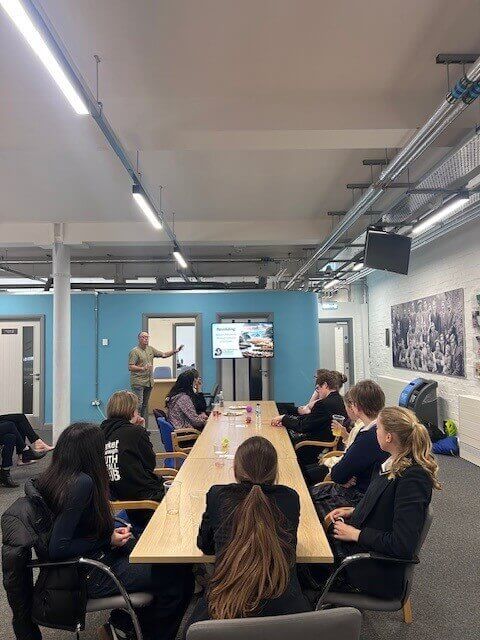
At the latest Youth Council meeting on Thursday 16 April, held in Market Harborough, we welcomed John Bristow from the Leicestershire and Rutland Wildlife Trust, who is the Programme Lead for Rewilding Harborough. John spoke to the Youth Council about the Rewilding project and asked them some insightful questions such as: What do you think ‘rewilding’ is? They said: |
|
|
Slowly reintroducing plants and animals into places where they once thrived. Starting with a small intervention and letting it grow and develop. Creating a space where humans and animals can be in harmony. Tree planting and restoring ecosystems. Increasing biodiversity. Helping the environment get back to its natural state. |
|
|
What positive impacts can ‘rewilding’ deliver?
More trees so more carbon absorbed creating cleaner air. Green spaces to support mental wellbeing. Removing some greenhouse gases. Encouraging endangered species. |
|
|
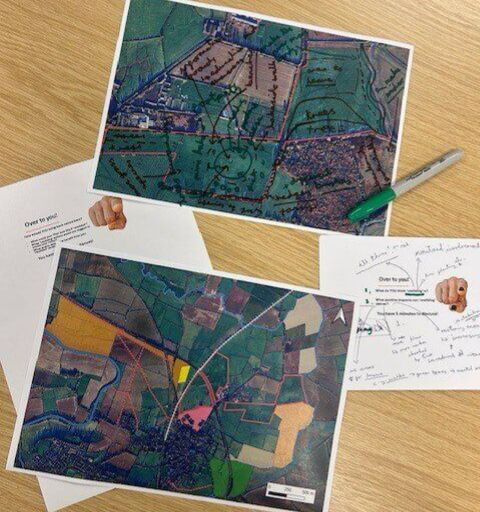
The young people looked at maps of the area (pictured to the right) where the rewilding project is happening and thought about how they could bring back nature there, thinking about what ‘rewilding’ actions they would take, they said things like having tall grassy areas, widening the river to support with flooding issues, plant lots of trees and thick hedges.
The environment is one of the Youth Council’s key areas of focus, so this was a great opportunity to speak to them about a really important and interesting topic and something that’s happening right now in their local area. |
|
|
We also talked about ways for the young people to get involved and will explore opportunities for them to visit the rewilding site and Leicestershire and Rutland Wildlife Trust nature reserve to get involved in surveying species and learning more about environmental careers.
Working Wonders focus group |
|
|
A focus group made up of six members of the Youth Council has been created for a recent project the Youth Council have been getting involved with. The project aims to connect schools, colleges and young people with local businesses and employers, creating real, worthwhile work experience linked to local jobs whilst ensuring that local work experience is more flexible and modern and making it easier to explore different careers whilst at school or college.
|
|
|
The focus group met this week to think about promoting the project and encouraging people to get involved. Some of the suggestions they came up with were:
“We thought we could reach students through PowerPoint presentations in assemblies or form/tutor group time and through posters,” and, “To reach parents and guardians we thought we could ask our schools to share it in the parent/guardian newsletter. For external promotion we think social media, press releases, promotional videos and radio interviews would be a good way to reach people".
They also said,
“We did some thinking about what would encourage people to sign up to being on the database that allows people to link together; we thought if we promoted how easy and simple it is to sign up and the benefits of how it can support an organisation’s own Corporate Responsibility and Sustainability goals as well as supporting young people in our district.” |
|
|
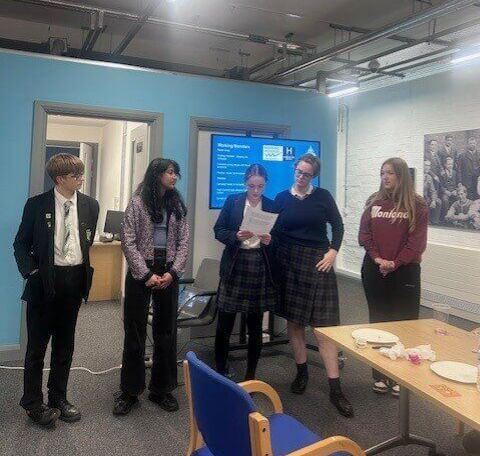
The focus group (pictured above) reported back to the rest of the Youth Council at this month’s meeting and asked them to share some words by asking questions like:
What affects young people’s confidence about their future? What would make careers feel more real or easier to understand? Would workplace visits be helpful? What would you want someone in the workforce to understand about young people today?
The next steps for the Working Wonders project are to pull some quotes together from the young people to use across different forms of communication to promote the project. Next meeting
This will be on Thursday 7 May 5:30pm-7:30pm in Lutterworth. This meeting will begin to focus on the Youth Council elections for the 2026/2027 academic year and we will welcome a guest from Young Leicestershire to speak about the activities that they run for young people and the consultation they have undertaken locally in Scraptoft with young people, their parents and carers and local residents. |
|
|
|
Join the Youth Council! We are always keen to welcome new members. We have monthly meetings on a Thursday 5.30pm-7.30pm. The meetings alternate between Lutterworth and Market Harborough each month. We provide transport through Lutterworth Community Transport and Market Harborough Community Transport to make the meetings as accessible as possible. |
|
|
If you are a young person aged 11-18 interested in the Youth Council, or know of any young people you think might be interested in attending future meetings or if you have any questions or queries for Youth Engagement Officer, Becca Powell (pictured left at a Youth Council meeting) please contact her at youthvoice@harborough.gov.uk.
|
|
|
Although we have participants from across the district, we would also like to make sure young people from all secondary schools and colleges in the area are equitably represented, particularly in areas around Kibworth Mead Academy and Thomas Estley Community College. So get in touch with Becca if you can help with this or know young people in those areas who would like to get involved.
|
|
|
|
Business and community | united in purpose |
|
|
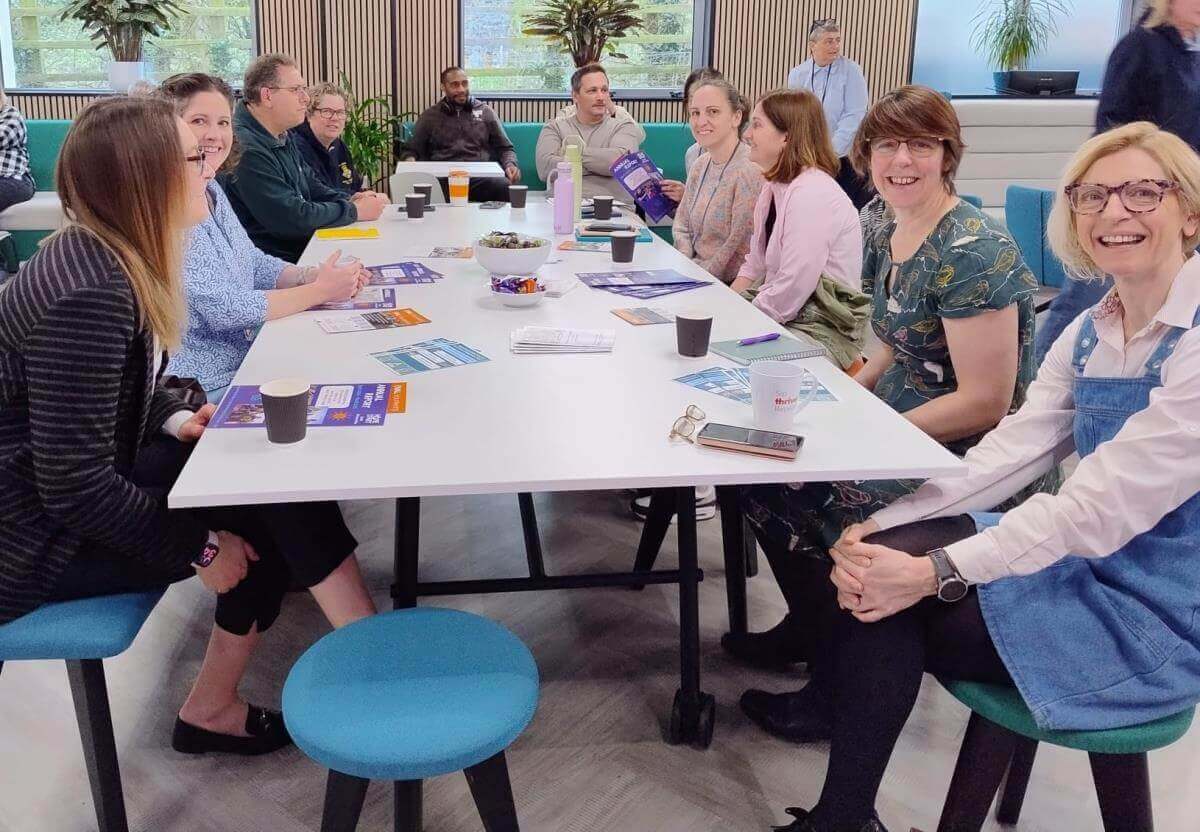
Home‑Start South Leicestershire’s year‑long volunteering development project ended by bringing together voluntary and community organisations and businesses to explore how employer supported volunteering (ESV) can support community action.
|
|
|
The session, organised by Emma Pickering, reinforced a key message: ESV is not just about volunteering time – it’s about building relationships and finding creative, mutually beneficial ways for businesses and communities to work together.
There is high demand from VIOs for networking opportunities and ways to raise their profile, with lots of organisations commenting, “This is exactly what we need”.
The seminar included insights from three guest speakers: Debs McCahon (LLR Community Foundation) spoke about available funding opportunities and how businesses can get involved; Dave Cliffe (Voluntary Action Leicestershire) spoke about Employer Supported Volunteering and the support available; and Emma Pickering (Home‑Start South Leicestershire) talked about learning from the Home‑Start Volunteering Development Project.
Together, the guest speakers highlighted that collaboration works best when it is built on trust, realistic expectations and a good understanding of capacity on both sides. |
|
|
How employee-supported volunteering benefits organisations
Employee supported volunteering (ESV) can deliver benefits on both sides when it is realistic, proportionate and based on good relationships. For businesses, ESV can: |
|
| For voluntary and community organisations, ESV can: - Provide additional capacity or resources that would otherwise be unaffordable.
- Bring in professional skills or expertise on a short‑term or one‑off basis.
- Raise the organisation’s profile with local employers.
- Lead to practical support, such as donations, equipment or sponsorship.
- Help build longer‑term relationships, even where ongoing volunteering is not possible.
Learning from attendees: some examples
In addition to the guest speakers, valuable examples were shared by contributors from the floor or highlighted by Emma based on her previous contacts, showing the range of ways businesses are already supporting local organisations: - The Hygiene Bank - toiletries are always in high demand and that workplace collection drives can make a significant difference with relatively little effort from businesses.
- Helping Hands Community Trust - offering tiered sponsorship packages for events — such as Headline, Premier or Supporting Partner — has helped attract business support. Larger milestone events might attract sponsorship of around £1,500, smaller community events may ask closer to £150.
- Home‑Start South Leicestershire – examples of donated gifts such as handmade greetings cards by Marina B and festive chocolate donations from Wates, used as Christmas gifts for families.
- Welcomm originally gave employees one day a year to volunteer which staff organised themselves. They found this wasn’t working for them and decided to relaunch. Now they gather groups of employees for one day events. They choose activities without DBS requirements for simplicity and have found this method of organising things to be very successful.
|
|
|
What is employer supported volunteering?
A key takeaway from the seminar was the importance of viewing ESV broadly, with many ways businesses can support communities, examples include: |
|
|
- Employee volunteering: One‑off volunteering days, for example at local event; regular volunteering during work hours; team challenge days (e.g. decorating, gardening, practical projects).
- Micro‑volunteering: Small, time‑limited tasks such as digital, social media or admin, practical tasks, community outreach; remote or flexible opportunities; particularly helpful for overstretched organisations.
- Trustee and board roles: employees serving as charity trustees or committee members; contributes professional skills in finance, HR, governance, legal or digital to boards and can help give staff a wider range of skills and experience to bring back to the business.
- Skills‑based volunteering: marketing, communications, ICT, HR, finance, policy writing or strategy support.
- Donations in kind: toiletries, food, gifts; office equipment, laptops, mobiles, furniture or tools.
- Financial and fundraising support: Sponsorship; payroll giving; match‑funding staff fundraising efforts. Staff organising fundraising initiatives is a great way to support a charity without needing a lot of the charity’s time.
- Facilities and resources: meeting rooms or office space; printing or design support; transport or storage
Understanding this range helps organisations approach businesses with realistic and flexible requests, rather than assuming volunteering time is the only option.
What makes employee-supported volunteering successful? Learning from the event and the project includes:
- Effective communication on both sides is essential. Successful collaboration relies on open, honest conversations rather than assumptions.
- Building relationships matters. Taking time to understand a business’s values, ethos and areas of interest helps identify whether there is a genuine alignment.
- Mutual benefit should be clear. Employer supported volunteering works best when both the organisation and the business understand what they will gain.
- One sided approaches rarely work. Predefined or inflexible expectations are less likely to result in a positive or sustainable partnership.
- It’s important that there’s no stigma to staff taking time to volunteer, and that it is built into organisational policies and culture.
- Capacity constraints are a significant factor. Many voluntary and community organisations are overstretched, and coordinating volunteering can involve significant costs and time away from direct service delivery.
- Personal contacts and informal networks are important for relationship building. Personal introductions can make businesses more receptive than a cold approach.
- Having an engaging and up-to-date online or social media profile is increasingly important.
- Awareness of existing support varies. Improving awareness of advice, resources and free local support may help organisations access help more easily.
Further support Local support: National support: |
|
|
|
Spotlight on wellbeing projects from HDC grants
This section demonstrates some of the projects that have been funded from either Community Grants or Ward Improvement Grants over the previous couple of years. If it gives your group some ideas and you would like to talk through projects, please contact Grants Officers Claire and Serretta at communitygrants@harborough.gov.uk or see our website.
|
|
|
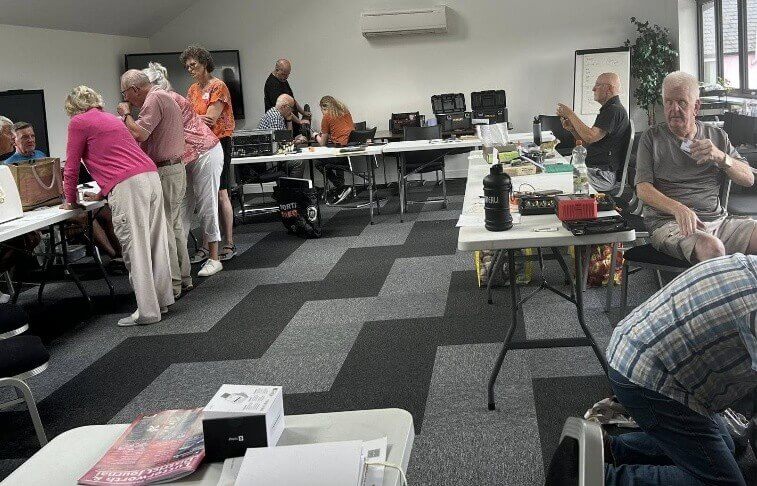
Lutterworth Repair Cafe
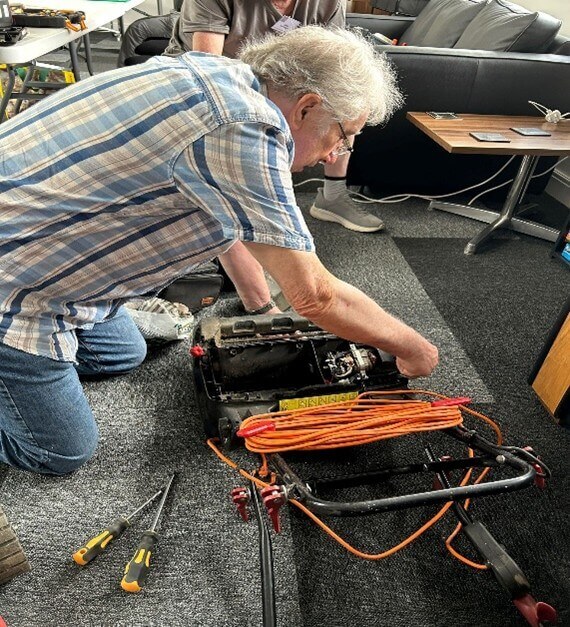
The Lutterworth Repair Café recently received a Councillor’s Ward Improvement Grant to purchase more specialist tools, such as a blade sharpener, magnification lens, furniture and ceramic clamps and precision screwdrivers, enabling them to expand the repairs they can offer. The grant also funded some local advertising, promoting the café to a wider number of volunteers and customers. |
|
|
Formed over a year ago, the café is a monthly community initiative which brings together skilled repairers who voluntarily fix broken items brought in by the public, free of labour charges. Their work ranges from repairing audio speakers to restoring vintage dolls and other household items, as well as giving advice is also given for automotive and plumbing repairs.
|
|
|
The Repair Café operates with a simple mission to reduce landfill and extend the life of everyday items. The group also tries to educate customers that repair is better than constantly replacing items. The nature of offering free repairs enables those with financial challenges to get items repaired.
|
|
|
They have a band of around 25 volunteers who combine their skills such as electronics, ceramics or textiles and are always looking to add to their team. Their base in Highpoint, Lutterworth offers a friendly community space, where volunteers and customers can socialise and feel part of a valuable service which not only helps others but contributes to protecting the environment.
Repair Cafes are a growing national initiative, which has seen the simple idea of a free repair service evolve into a vital community service with wider-reaching impacts than could have initially been predicted. |
|
|
Volunteers and community users value the opportunity to meet with other residents and volunteers regularly in a welcoming, relaxed space. Such a community activity helps to reduce loneliness and social isolation. Both physical and mental well-being are supported by the chance to chat, learn new skills, discuss ideas and maintain dexterity and mobility through repair work.
|
|
|
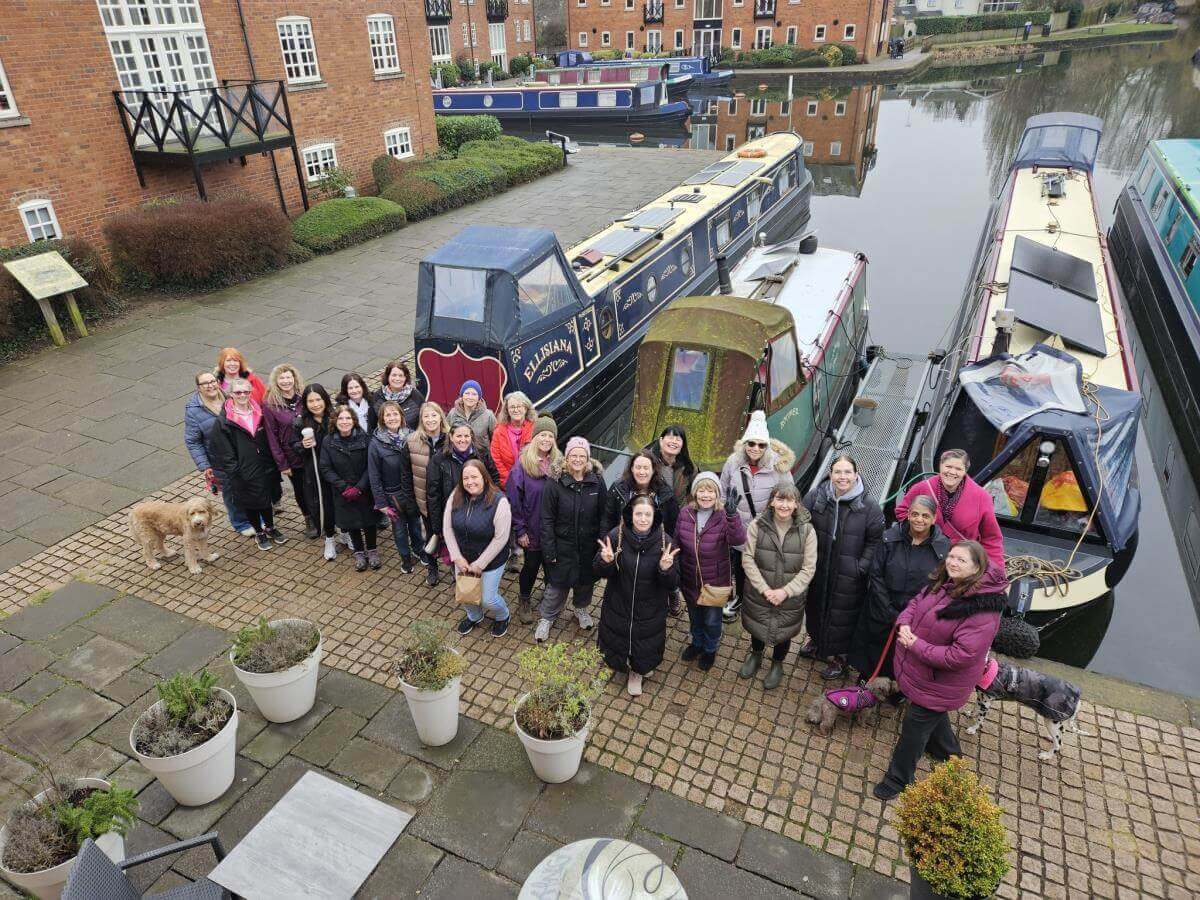
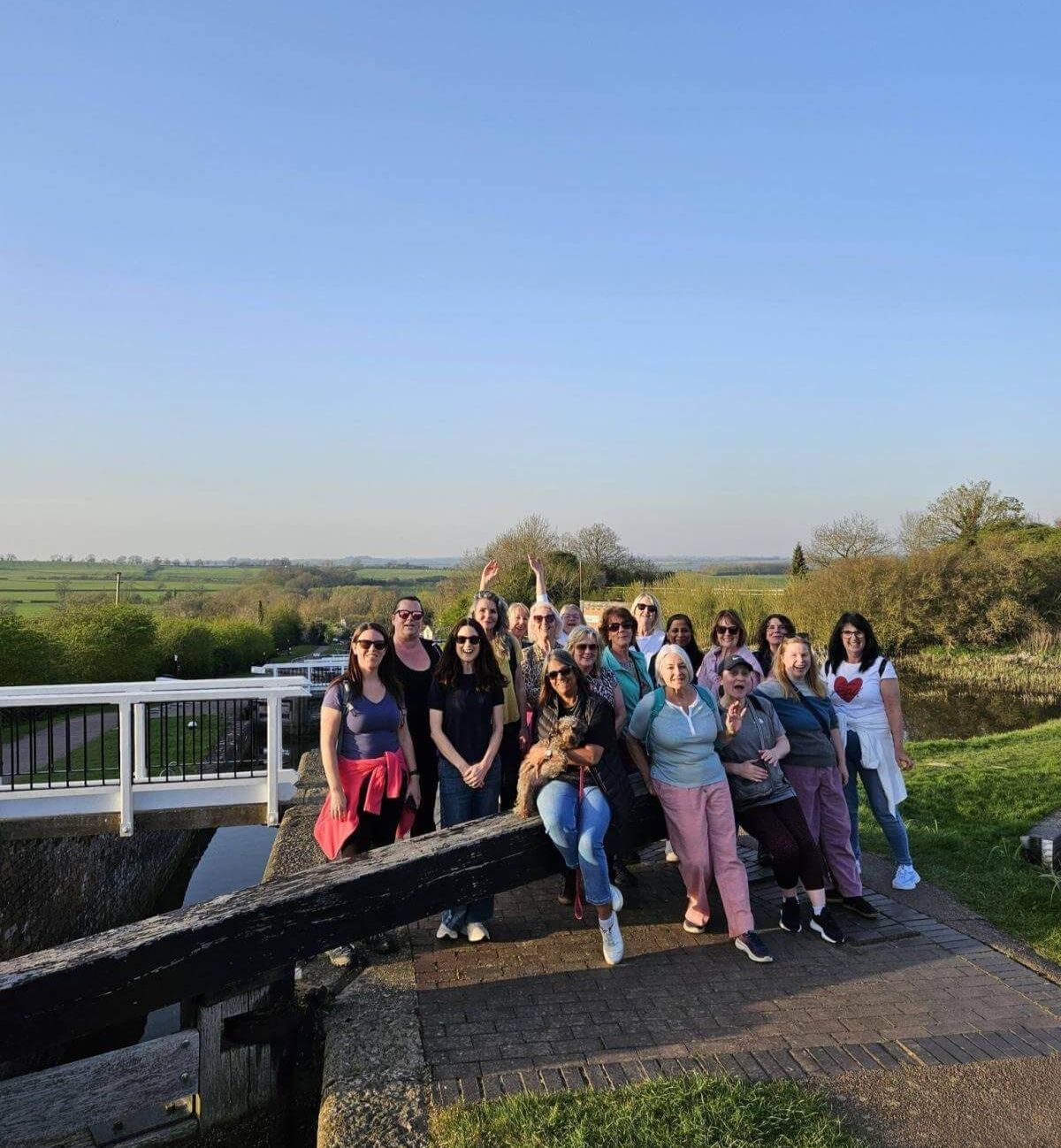
Women Only Walks CIC
Ward improvement funding is also helping to unlock community-led approaches to physical and mental wellbeing across the district. By supporting the Safer Walking Programme, the funding is helping women feel more confident accessing outdoor spaces, becoming more active, and walking in a safe and supportive group environment. |
|
|
In Market Harborough, a combined award from the Ward Improvement Grant, alongside match funding from the Market Harborough and the Bowdens Charity, is supporting Women Only Walks (WOW), newly formed as a CIC, to deliver a new Safer Walking Programme designed to help more women feel confident, supported and connected when walking outdoors.
|
|
|
Founded by Jemma Redden in 2024, WOW has grown rapidly into a network of more than 2,000 women. The new programme builds on this success by introducing structured safety measures and training that remove common barriers to participation.
|
|
|
The funding is being used to:
Train volunteer walk leaders in outdoor first aid Provide safety equipment such as first aid kits and visibility items Support planned, risk-assessed routes Provide structured walking guidance to strengthen an inclusive “no woman left behind” approach |
|
|
The programme creates safe, low-pressure spaces where women can build confidence, reduce isolation and improve their overall wellbeing through connection and gentle activity.
To better understand the outcomes behind the funding, we spoke with founder Jemma Redden about how the Safer Walking Programme is removing barriers and supporting wellbeing in the community. What specific barriers for women is the Safer Walking Programme aiming to remove?
The simple act of getting outdoors in the first place. A member once said to me that the countryside feels locked for them because they didn’t feel safe walking alone. This programme aims to give women the confidence to walk side by side. How will the new safety measures change the experience for someone attending their first walk?
For someone joining their first walk, it should feel reassuring from the moment they arrive. The new safety measures aren’t about making things feel formal or intimidating, they’re about creating a calm, well-supported environment.
Knowing there are trained walk leaders, clear check-ins, and simple safety routines in place helps take away that underlying worry. It means women can focus on enjoying the walk, meeting others, and building confidence, rather than second-guessing whether they’ll be okay. What role do trained walk leaders play in shaping both safety and wellbeing outcomes?
Walk leaders are at the heart of everything we do. They’re not just there to guide the route, they create the tone of the walk. With training, they’re able to respond confidently if something happens, but just as importantly, they help people feel seen, included, and supported. That has a huge impact on wellbeing. A friendly check-in, noticing if someone’s a bit quieter, or making sure no one is left behind can completely change someone’s experience.
How important is volunteer wellbeing? It’s absolutely essential. Our volunteers are the backbone of WOW, and if they don’t feel supported, the whole experience suffers.
We’re really mindful that looking after volunteers isn’t just about safety training, it’s about making sure they feel confident, valued, and not overwhelmed. When volunteers feel good, that positive energy naturally carries through to the wider group. How does the “no woman left behind” approach influence the way walks are delivered?
It shapes everything. It’s not just a phrase, it’s how we plan and lead every walk. We build in natural regrouping points, encourage a supportive pace, and create an environment where it’s okay to go slower or need a break. There’s no pressure to keep up or perform. That approach removes a lot of anxiety, especially for first-timers, and helps people feel safe enough to come back again.
What changes have you already seen in participants’ confidence or sense of connection? We’ve seen some really powerful changes. Women who were nervous to come along on their own are now regulars, leading conversations, forming friendships, and even supporting others.
There’s a real sense of connection that builds over time. It goes beyond the walks, people are meeting up outside of WOW, supporting each other, and feeling part of something bigger. That shift from isolation to belonging is probably the most important outcome we see. How do you see this model developing in the future, and could it be adapted to support partnerships in other communities across the district?
We’re focused first on embedding the Safer Walking Programme and making sure it works well for our community. That means continuing to train walk leaders, build confidence, and keep the experience safe and inclusive as we grow.
In the longer term, there’s definitely potential to share what we’ve learned and explore partnerships with local organisations across the district. The model is simple but effective, and with the right support, it could help more women feel safe and connected in other communities too. |
|
|
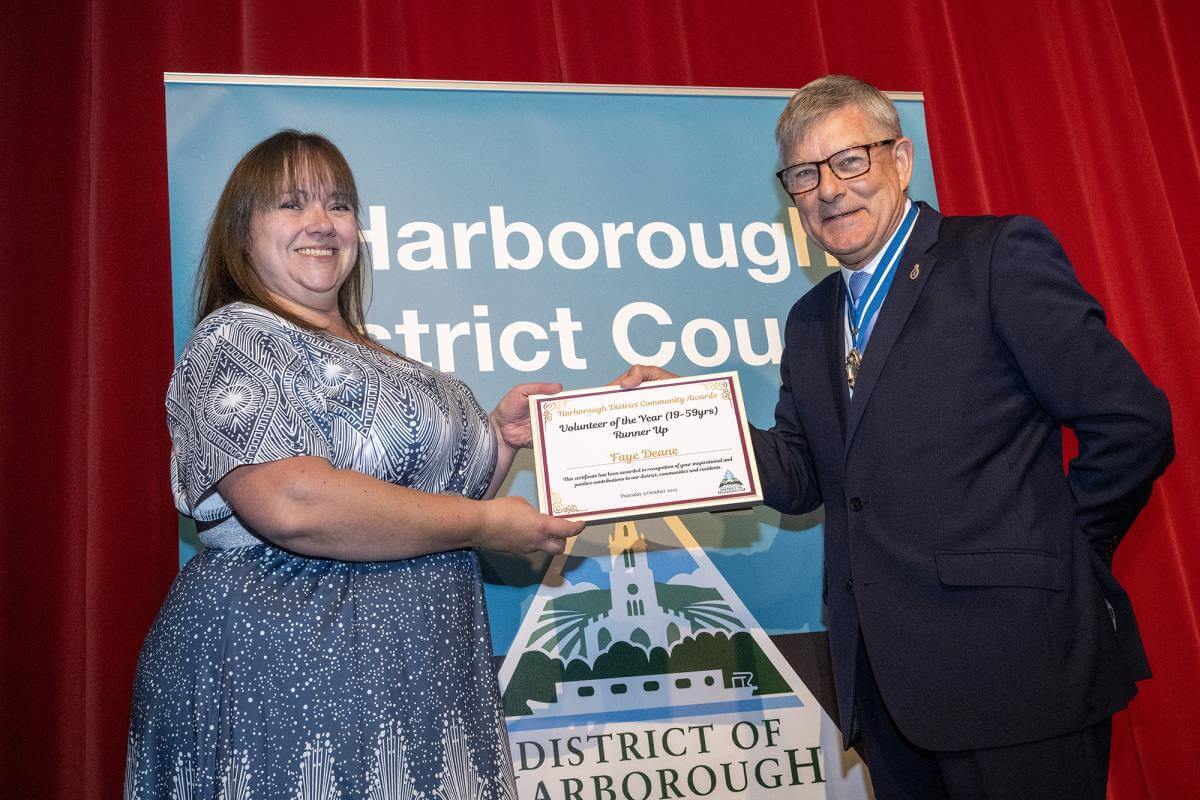
HDC Community AwardsFaye Deane- Castanet Kids - runner up of the HDC Volunteer of the Year (19-59) award |
|
|
Faye has spent over 11 years teaching music for free and subsidising lessons so that every child has a chance to access music.
She founded Castanet Kids to support parents with postnatal depression, designing inclusive, welcoming classes that build confidence through music. Faye is pictured right getting her award from Stephen Bryant JP, High Sheriff of Leicestershire in 2025. |
|
|
Singing, rhythm and movement are all known to boost mood, reduce stress and can release “feel good” hormones, helping both children and their adults to feel calmer and more connected.
Her classes include British Sign Language and are accessible to children and adults of all abilities. Her groups create a welcoming space for adults to meet others in a similar stage of life, helping to build friendships, reduce loneliness and provide informal peer support which is invaluable for those who may be feeling isolated. These types of groups help to break down barriers, creating a sense of belonging and community that benefits overall wellbeing.
Faye sells crafts and donates all of the profits to fund instruments, room hire and insurance – keeping sessions affordable. She also supports local schools and the Market Harborough carnival.
The panel chose Faye because of the commitment and energy she has shown in setting up her own groups to meet a need that she identified – young parents can feel isolated, particularly those who might have other needs, and music can be a catalyst to better wellbeing and to building connections. The nominator said: “I’m honestly so proud of her and how much she wants to build music up again in Harborough for kids.”
Thank you and well done to Faye for all your hard work and commitment to the community. |
|
|
| |
Consultations | Local Community Visioning |
|
|
Harborough District Council has secured funding from the UK Shared Prosperity Fund to deliver up to five community-focused masterplans across the district. Set to be completed in 2026, these visioning projects aim to enhance local green spaces, improve access, and develop vital community and recreational facilities for our growing populations.
|
|
|
| |
Small Climate Actions. Big Community ImpactCommunity groups and parish councils play a vital role in turning small climate‑friendly actions into shared, practical change. This article is an invitation to you – as local organisations – to reflect on what you’re already doing, try one or two simple ideas, and share what’s worked so others can learn from it too. |
|
|
This month, we’re encouraging residents, local groups and partners to get involved in simple everyday climate‑friendly actions that fit easily into daily life and help reduce energy use and our impact on the environment. There’s no pressure, no targets and no expectation to do everything – just a chance to do something small that helps.
|
|
|
Getting involved as a community
We’re encouraging residents, local groups and partners to get involved in simple everyday climate‑friendly actions that fit easily into daily life and help reduce energy use and our impact on the environment. Climate action doesn’t have to be dramatic to be effective. Small changes, repeated across a community, can add up over time. As a group, you might already be doing some of these – or you could easily start with one:
- Turning off lights, screens and appliances when they’re not in use in shared spaces
- Avoiding leaving devices on standby overnight in meeting rooms or offices
- Making the most of daylight in halls, offices and other community spaces
- Talking with members, volunteers or colleagues about simple ways to save energy
- Sharing tips or ideas that have worked for your group with other groups or neighbours.
|
|
|
Reducing energy use helps lower carbon emissions, save money, and support a healthier environment for everyone. When communities act together, climate change becomes something we respond to locally – not just something that happens somewhere else.
|
|
|
If you’d like to share what your group has tried or what you’ve learned, you’re very welcome to email Carol Thay, Climate Impact Officer at HDC. Your stories and ideas may be shared in future newsletters to help other groups feel inspired and supported.
Small steps. Shared action. A stronger community response to climate change. |
|
|
Funding and resources from other organisationsThis section contains a selection of grants outside HDC that community groups can apply for. |
|
|
While HDC provides grants for communities, groups often need to find further funding to complete projects. Here are some suggestions of other funders that have come across our radar that groups may be able to apply to. Inclusion does not imply that we endorse the funder, but we have spotted it and it seems applicable to the types of projects that we get enquiries about.
|
|
| |
With all grants, check the small print for exclusions such as types of organisations and annual turnover to ensure that you're eligible.
Grant fundraising is challenging at the moment, with many funders closing programmes early or completely, reviewing or narrowing programmes, and some moving to invitation only because of the volume of applications they're receiving, so make sure you sign up for email or social media alerts from the funder if applicable if you're making an application, and/or regularly check their website for changes.
It may also be worth searching for the funder on the Charity Commission website and downloading its annual report to see if you can find out more, or some funders report on 360Giving.
We would love to know if you have been successful applying to any of these to build up our knowledge of what funders are prioritising.
See our previous newsletters for other funding suggestions, while some are included in response to specific funding rounds, others are ongoing or will be reopening in the future. |
|
|
This month's funding opportunitiesMental Health and Wellbeing focused funding opportunities
This month’s newsletter highlights mental wellbeing and the important role that community activity, social connection and inclusive local support can play in helping people thrive. Across our communities, projects that reduce loneliness, improve confidence, encourage physical activity, create safe spaces, and support positive mental health can make a lasting difference.
Whether you are running peer support groups, community walks, wellbeing sessions, men’s groups, activities for older residents, creative programmes, youth support, or wider initiatives that bring people together, there are a number of external funders whose priorities align with this work.
Below is a selection of current and upcoming funding opportunities that may be relevant for voluntary groups, charities and community organisations delivering projects focused on mental wellbeing, physical wellbeing, social inclusion and stronger community connections
Barchester Charitable Foundation - Apply for a grant
Helps small community groups and local charities with activities, outings, equipment and materials for members/service users. Grants range from £100 up to £2,600. They don’t fund salaries or core costs. Open for group applications in January, April, July and October.
Focus is about connecting or re-connecting older people, and adults with disabilities or mental health conditions, with others in their local community.
Men’s Health Community Fund now announced - Men to get better health support through innovative partnership
A new £6.3 million Men’s Health Community Fund has been announced by the Department of Health and Social Care in partnership with Movember and People’s Health Trust.
The fund will support community‑led projects for men and boys aged 16+, particularly those least likely to engage with traditional health services. It will focus on key life moments such as becoming a father, unemployment, loneliness, and the transition to retirement, and aims to reduce health inequalities.
Funding will be available for voluntary, community and social enterprise organisations, with a focus on locally trusted, community‑based approaches.
Further details on eligibility, grant sizes and how to apply are expected shortly.
Focus Foundation - Grant FAQ's
Grants of typically £2,000–£8,000 are available for tangible projects (not core costs or part funding) that deliver clear, measurable benefits under one of three pillars: Social or Economically Disadvantage Children, Mental Health OR Community Project.
Applicant organisations must be charities or community groups with annual income under £1m and core running costs below 35% and should apply via the online portal with an initial Expression of Interest followed by a full application if invited.
Deadlines: The Grants Committee meets four times a year on 2 Mar 2026, 8 Jun 2026, 7 Sep 2026 and December) and applications usually need to be submitted around 4 weeks before the relevant meeting, though the portal may close temporarily if the demand is high.
For more information: https://focusfoundation.org.uk/apply/grant-faqs/.
YAPP Charitable Trust - grant funding The Yapp Charitable Trust makes grants to small charities (not CIC's) in England and Wales to help sustain their existing work. Work must fit into the Trust's priority areas:
Elderly people. Children and young people. People with physical impairments, learning difficulties or mental health challenges. Social welfare – people trying to overcome life-limiting problems of a social, rather than medical, origin such as addiction, relationship difficulties, abuse, offending. Education and learning, with a particular interest in people who are educationally disadvantaged, whether adults or children.
Grants are normally for a maximum of £3,000 per year for up to three years. Most of the grants are for more than one year because the Trust likes to fund ongoing needs. Grants are awarded for core funding, which is defined as the costs associated with regular activities or services that have been ongoing for at least a year.
Applications may be submitted at any time and are considered at one of the three Trustee meetings each year. Decisions on applications can take up to five months from the date of submission. Applications should be submitted using the Trust's online application form.
Austin and Hope Pilkington Trust - grant funding Grants are available to registered UK charities for projects that address the Trust’s themed funding priorities on a rotating basis.
This fund is likely to be particularly relevant to mental wellbeing and community support projects in the upcoming rounds:
Round 3 and Round 4 – Unpaid Carers- Opening 1 July 2026 Funding will support projects that provide therapeutic support, including healthy eating and outdoor activities. Projects must focus exclusively on unpaid carers. 2027 Round 1 and Round 2 – Reducing Loneliness for 60s and Over Support for projects focused on reducing loneliness among older people. 2027 Round 3 and Round 4 – Mental Health for Young Carers Support for projects focused on improving mental health outcomes for young carers.
Grants are awarded at either £1,000 or £5,000, depending on the round and charity income level. Applicant organisations must be UK registered charities (or exempt charities) with a minimum income of £100,000. CICs, social enterprises and unregistered groups are not eligible.
Applications open during each round window throughout the year. Organisations may submit one application per calendar year. Allen Lane Foundation - grant funding
The Foundation makes grants to voluntary not-for-profit organisations in the UK for work which benefits groups of people who are under-represented in UK society. Overall, the Foundation wishes to fund work which:
- Will make a lasting difference to people's lives rather than simply alleviating the symptoms or current problems.
- Is aimed at reducing isolation, stigma and discrimination.
- Encourages or enables unpopular groups to share in the life of the whole community.
The Foundation typically makes around 130 to 150 grants in a year with a total value of between £720,000 and £800,000. The average grant is £5,000 - £6,000 with a maximum grant of £15,000. This can be a single grant, or over two to three years.
The Foundation aims to help organisations to become sustainable. The funding will support running and core costs to enable them to have flexibility, security and longevity.
Applications can be made at any time and are considered three times a year, generally in February, June and October. Processing an application and making a grant usually takes between two and six months. Groups should apply as soon as they are ready as applications are processed ‘all the time’.
The Foundation has an online application system. The first step is to go through the online eligibility quiz. Those who are eligible will be directed to the application form.
For more information: Applying for funding – The Allen Lane Foundation
NFU Mutual Charitable Trust What do we do Grants typically £1,000–£50,000.
Funding for charitable organisations supporting rural communities, with a focus on education, poverty relief and social welfare. Particularly suited to projects supporting young people in rural areas, including skills development, education and community engagement. Funding supports project delivery costs. Next deadline: 24 April 2026 (trustees meet twice yearly).
The Martin Trust for Young People - Home Grants typically up to £2,000 (higher in exceptional cases).
Funding for voluntary and charitable youth organisations in Leicestershire, Leicester and Rutland. Supports projects that make a direct and practical difference to young people’s lives, including activities, support services and engagement programmes. Next deadline: 16 May 2026. J. Reginald Corah Foundation Fund
Grants of up to £2,000.
Funding for small charities and community organisations in Leicester, Leicestershire and Rutland. Supports a broad range of activities including youth initiatives, education, welfare and projects addressing identified local need. Particularly suited to smaller, locally focused projects. Applications accepted year-round. Email: jrcfoundationfund@gmail.com
The National Lottery Community Fund - Awards for All England Grants of £300–£20,000.
Funding for projects that bring people together and improve communities. Supports new or existing activities, community spaces and early intervention projects that help people reach their potential or respond to local challenges such as the cost-of-living crisis. Funding can cover a wide range of costs including staff, equipment and small capital works. Applications are open on a rolling basis.
Garfield Weston Foundation - Home Grants of up to £100,000 (regular) and £100,000+ (major grants)
Funding for UK registered charities across sectors including youth, community, education and health. Supports capital, project and core costs, with a focus on organisations delivering strong, sustained impact. Grants typically contribute 10–20% of total project costs and require match funding. Applications are open on a rolling basis.
Asda Foundation – Local Community Spaces Fund Grants of £10,000–£20,000.
Funding to improve or repair community spaces, making them more accessible, inclusive and welcoming. Supports projects that reduce isolation, strengthen community use and create safe environments for local residents, including young people. Opens for applications Spring 2026.
Severn Trent - Community Fund Grants of £2,000–£20,000 and £20,001–£50,000
Funding for projects that support community wellbeing under three themes: People, Place and Environment. Supports a wide range of initiatives including community spaces, environmental improvements and projects that build skills and resilience. Deadlines: 2 August 2026 (£20k–£50k) and 31 August 2026 (£2k–£20k). Morrisons Foundation - Making a difference to people's lives
Grants of up to £10,000.
Funding for registered charities delivering projects that tackle poverty, improve community facilities or support health and wellbeing. Particularly suited to projects with clear, practical outcomes and benefits for local communities. Currently open for applications.
Metal For Good – Grants Grants of £1,000–£3,000
Funding for grassroots organisations using music to address inequalities, improve wellbeing and support young people. Supports projects that use music creatively to engage underrepresented groups, build confidence and develop skills. Next deadline: 7 September 2026. Other themed funding
The Office of the Police and Crime Commissioner for Leicester, Leicestershire and Rutland - Community Action Funding
There are three further rounds with varying opening and closing dates:
- Neighbourhood Crime - 28 September 2026
- Buisness Crime - 8 February 2027
Eligible groups can apply for grants up to £10,000 to support their initiatives. |
|
|
Getting further support
See the community engagement team website to download a document about the support available to various voluntary and community groups across the district. Let us know if there's anything else you think we could include.
The page also includes case studies about projects that have received Community Grant funding to share ideas and good practice with others. |
|
|
|
Previous newslettersSee previous editions of our newsletter for good practice resources and funding suggestions. |
|
|
|
|
|
|
|
|
|
|