Thank you for subscribing to Environment Matters, keeping you up-to-date with the latest environment and waste news from Leicestershire County Council. This email looks better with images enabled.
|
|
To view this email online,
|
|
|
|
Welcome to our March Edition 2026 | This month, we’re shining a spotlight on Food Waste Action Week and sharing simple ways you can make your food go further. With spring on the way, we’re also looking at the benefits of composting at home and how to get started.
We explain the upcoming Simpler Recycling changes set to begin in March 2026 and what they mean for households across Leicestershire. Plus, we’re delighted to introduce our newest group of Environment Action Volunteers, who are already out and about supporting communities across the county.
You’ll also find practical advice for reducing waste over Easter, easy water‑saving habits, and updates on our Warm Homes support and Nature Network events.
We hope you enjoy this edition, and as always, we welcome your thoughts and feedback.
| |
|
Food Waste Action Week : Making food go further | 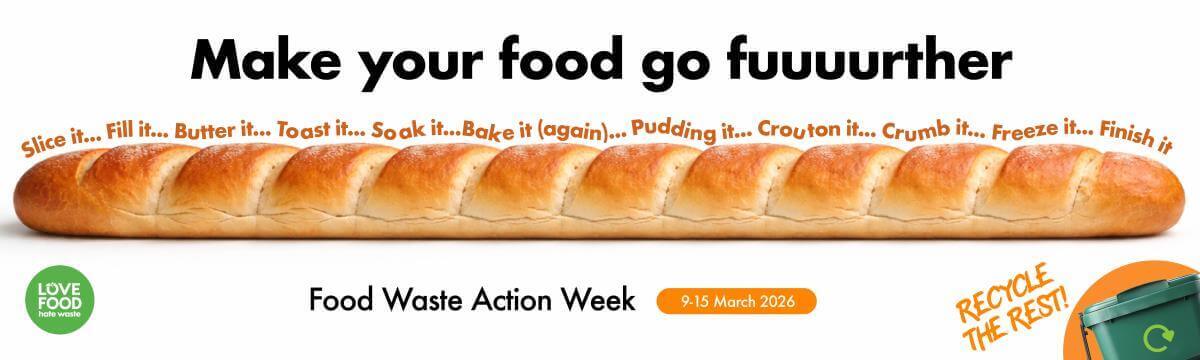 |
Food Waste Action Week 2026 starts this week (9-13 March) and it’s the ideal opportunity for residents of Leicestershire to join the UK’s largest annual campaign against food waste. Organised by WRAP, this vital week is dedicated to raising awareness about the importance of cutting food waste and adopting simple, sustainable habits at home.
This year's theme is about making food go further. The goal is to inspire lasting change by encouraging us to make manageable, weekly 'bite-sized' changes to help us reduce waste and enhance sustainability.
Why focus on food waste?
Food waste isn’t just about lost ingredients—it has serious environmental and financial impacts. When food is thrown away, so are the valuable resources used to produce, transport, and store it: water, land, energy, and labour. Tackling food waste at home is a powerful way to reduce your impact while saving money.
If you’re based in Leicestershire, you can support Food Waste Action Week by: Resources to help you
Love Food Hate Waste offers a suite of free materials—from social media, messages, recipes and great advice. There are also lots of other great online resources including themed days to help give you great advice each day.
As a resident of Leicestershire, you have an opportunity to be part of this important national movement.
|
| Learn more about Food Waste Action Week
| |
|
|
Reducing your household waste by composting at home | 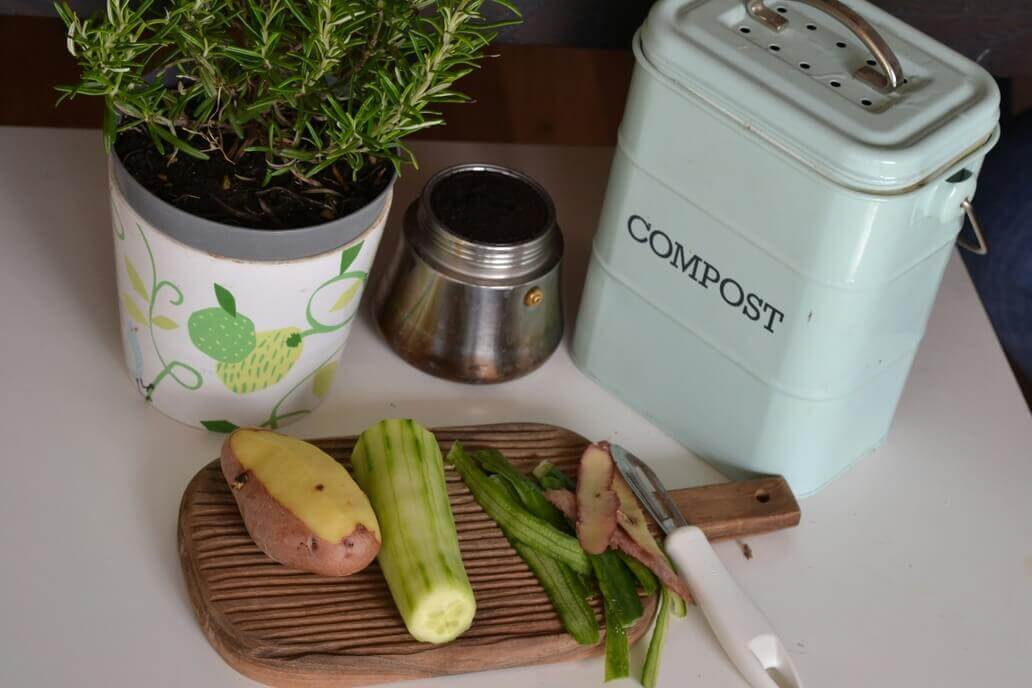 |
Home Composting is one of the simplest ways to reduce your household waste while giving your garden a natural boost. By composting at home, you can:
Reduce waste: Composting diverts organic materials like fruit peel and grass clippings from your black bin. Boost soil health: Compost enhances soil structure, porosity, water retention, and supports beneficial microbes—leading to healthier gardens and less need for fertilisers. Save money: Making your own compost avoids purchasing soil conditioners and compost. How can you start?
Starting a compost bin is easier than you might think. The Less Waste website breaks the process down into simple steps:
Balance “greens” (e.g. kitchen scraps or fresh grass) with “browns” (e.g. dry leaves or shredded paper), Choose a sunny, accessible spot, and Prepare the ground Whether you opt for a bin or heap, you can begin any time—but spring is ideal.
There are composting options based on space and waste types:
Cool compost bins are easy for most households—manage fruit and vegetable scraps, garden trimmings—and take around 9–12 months to mature. Hot composters or food-waste digesters handle cooked food, meat, and dairy, breaking waste down in as little as three months. Some will also take garden waste
Our Waste Initiatives team and partners will host events including stalls, workshops, and webinars during Compost Awareness Week (3–9 May) to support your composting journey.
This year’s theme is “Compost! Feed the Soil that Feeds Us”. Whether you’re just starting or looking to optimise your composting, guidance and advice will be available.
|
| Discover compost bin options, tips and events details
|
|
|
| Simpler Recycling | 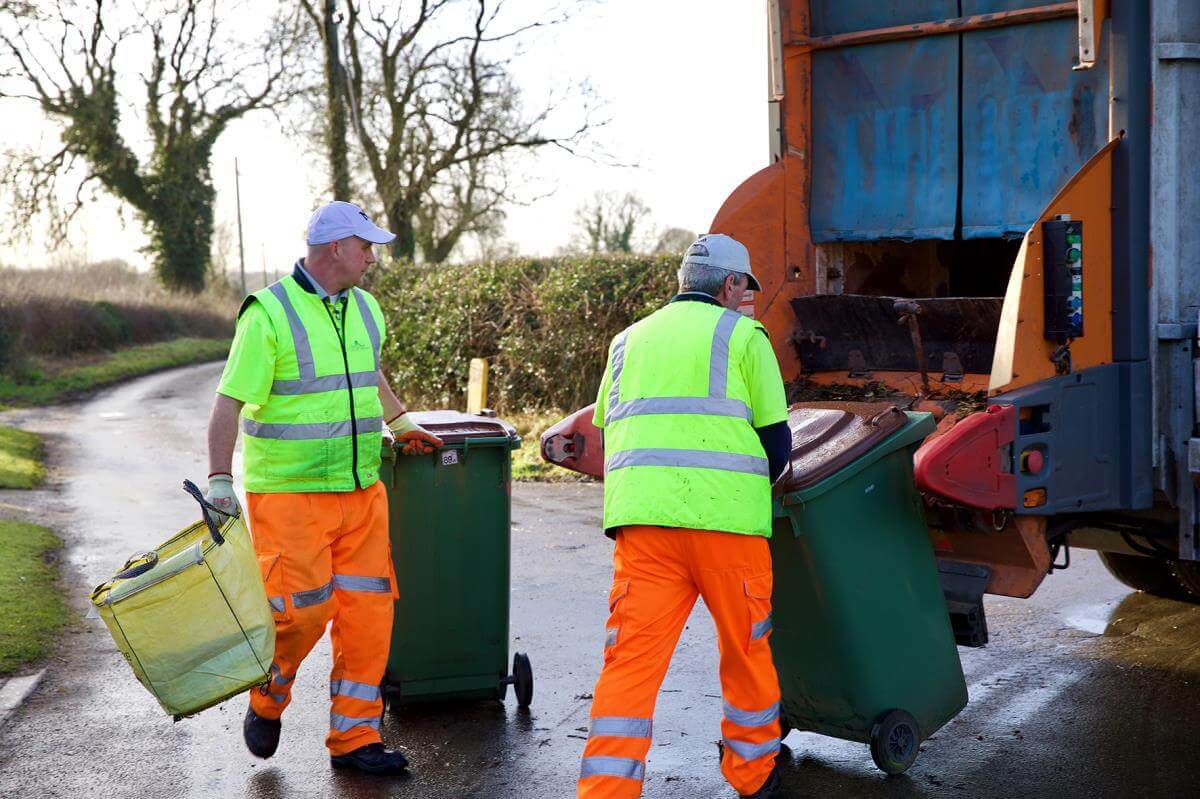 |
The government is introducing some changes to household waste collections in England from 31 March 2026, called Simpler Recycling. The aim is to make recycling easier, reduce confusion and increase recycling rates.
The intention is that all households should be able to recycle the same materials - paper, card, plastics, glass, metals, and food waste.
In Leicestershire, the key difference will be the implementation of a weekly food waste collection. District councils will be responsible for introducing these, so please check their websites for further details.
Instead of food waste going to disposal, it will be sent for anaerobic digestion. This process breaks down the food waste to generate a biogas, fertiliser and water. Both the biogas and the fertiliser can be used in a variety of ways, and the water can be treated and returned to our watercourses.
For further information on reducing food waste, and to help you make the most of the food you buy, see Love Food Hate Waste | LessWaste.org.uk.
|
|
|
|
|
|
| Celebrate Easter the Less Waste Way |
|
|
|
Easter is a time for fun, family, and delicious treats—but it’s also a great opportunity to make small, meaningful changes that help the planet. By making mindful choices, we can reduce waste and celebrate in a more sustainable way.
Here are some top tips for a greener Easter:
1. Choose treats with less packaging Recycling is good—but avoiding unnecessary packaging is even better! When buying Easter eggs and treats, look for options with minimal or recyclable packaging.
2. Plan your portions Hosting an Easter meal? Avoid food waste by planning ahead. Confirm how many guests are coming and prepare portions accordingly. This simple step saves money and reduces leftovers that might otherwise go to waste.
3. Refresh your compost bin Spring is here, and it’s the perfect time to give your compost bin some love! Add vegetable peelings, cut flowers, and other compostable items from your Easter celebrations. It’s a great way to return nutrients to the soil.
4. Reuse decorations Instead of buying new decorations every year, store and reuse what you already have. Homemade or upcycled décor adds a personal touch and helps cut down on waste. Saving and reusing is always better than throwing away.
|
| For more ideas to create a Less Waste Easter
| |
Easy ways to save water at home with everyday habits |
|
|
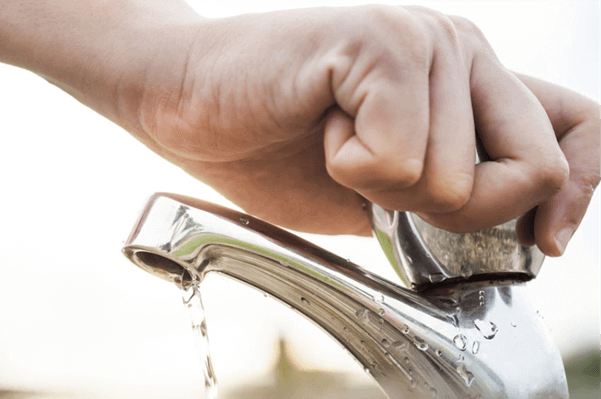 |
Did you know the average household in England uses around 150 litres of water every day? With growing demand and changing weather patterns, our water supplies are under more pressure than ever. Experts warn that if we continue using water at the same pace, England could face significant shortages in the coming decades.
The good news is that small, everyday actions can make a big difference helping to protect water supplies, support local rivers and wetlands, and lower your household bills.
Here are a few easy ways families can save water at home:
• Take shorter showers
• Turn the tap off while brushing your teeth
• Fix dripping taps
• Only run dishwashers and washing machines when full
• Use a bowl for washing up
• Collect rainwater for plants
If you'd like to understand more about how much water you use and how you can reduce your water footprint, you can sign up to the newly created Water Literacy training course written by industry experts, designed to help households, businesses and communities build simple, water‑smart habits. Upon completion you will become accredited as a water literate expert.
The best part? The first 2,000 people to sign up get free access.
|
| Learn more about Water Literacy
| |
| Introducing our new Environment Action Volunteers |
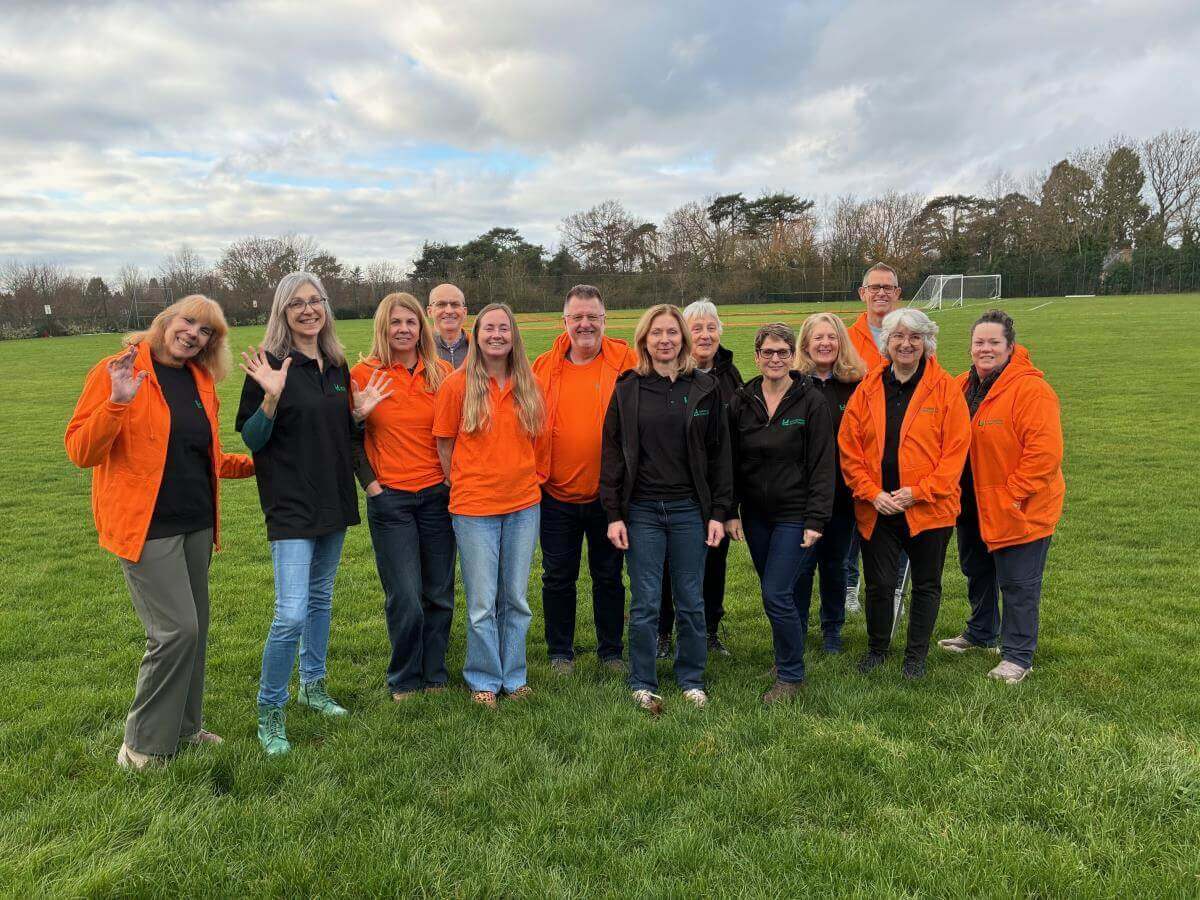 |
Leicestershire County Council welcomed a group of thirteen new Environment Action Volunteers (EAVs) in mid-January. The new recruits bring the number of EAVs to 57.
EAVs support the work of the council’s environmental objectives and will be attending a range of community events through 2026: talking to residents about waste prevention, reuse and recycling; supporting residents to take action to protect nature and make Leicestershire more biodiverse; as well as encouraging the adoption of public transport, cycling, walking and “wheeling” rather than the use of single occupancy private vehicles.
They will also be visiting schools to deliver assemblies and classroom workshops on a range of topics, including the creation of hedgehog habitats on school grounds, as well as providing talks and workshops for community groups on topics ranging from home composting to clothing repairs.
|
|
|
|
|
| Keep warm for less with the right advice |
|
|
|
|
Our Warm Homes team can help with advice on how to reduce energy costs and keep your home warmer this winter.
We can support residents to identify grants or initiatives for home energy efficiency measures, so speak to one of the team on 0116 305 2524 or make a self-referral using the button below.
Some changes to grants for energy efficiency upgrades have been recently announced as part of the Government’s Warm Homes Plan.
|
| Get Warm Homes services and local support
| |
New Year, new Nature Network themes | 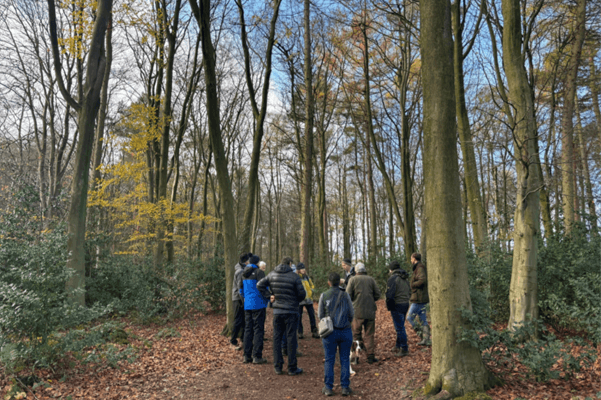 |
Last year saw the successful re-launch of the Nature Network aimed at a wide variety of community groups, volunteers, and local representatives from all over the county with a mutual interest in acting for nature locally.
Our online meetings provide an opportunity to hear the latest news about wildlife and habitats across the county, share information and learning and ask questions to council staff about how local groups can act for nature. Some of our recent guest contributions included presentations on water vole conservation, the importance of hedgerows, and the benefits of nature for health. There are a wide variety of exciting themes already planned for 2026.
The next session is due to take place on Tuesday 24th March, 7pm-8.30pm online with a guest talk from Maggie Morland, a local county tree warden talking about the vital role of our countywide Tree Wardens.
The Nature Network is hosted by the County Council, and contributions are welcome from everyone. If you would like to be added to our mailing list regarding future meetings and talk dates, please contact; EnvironmentTeam@leics.gov.uk.
|
| Contact us to book a place on 24th March
| |
Donate old and unwanted bikes to give new lease of life |  |
Do you have an old or unwanted children’s bike you no longer need?
Leicestershire County Council and Active Together are encouraging residents to donate unwanted bicycles to help those in need of bikes. Children’s bikes of all sizes for ages 7 and up in any condition are welcome.
Bikes can be donated through arranged home collections. They are then refurbished and repaired through a workshop scheme at HMP Stocken Prison, giving bikes a second life whilst supporting valuable skills training.
Once ready, the bikes will be distributed to local schools and community projects, helping children learn to ride and access affordable, sustainable transport. One of these projects will be through the ‘Set, Pedal, Go’ programme run by Active Together. Donating your unwanted bike is a simple way to support active travel and make a real difference in your community.
If you would like to donate old or unwanted bikes, please complete the form below.
|
| Complete the form to donate old or unwanted bikes
|
If there is anyone you know that would be interested in signing up to Environment Matters, please forward them the website link above
|
| Environment Matters sign up page
| | |
This message was sent to using Newzapp. You are receiving this email because you have previously subscribed to receiving the Environment Matters newsletter. If you wish to continue with the subscription then please click here to Manage Preferences or Unsubscribe. You can change your mind anytime.
|
|
|
|
|