Thank you for subscribing to Environment Matters, keeping you up-to-date with the latest environment and waste news from Leicestershire County Council. This email looks better with images enabled.
|
|
To view this email online,
|
|
|
|
Celebrate with care - reuse and recycle this Christmas | |
 |
Did you know that between December and early January, UK households produce up to 30% more waste than at any other time of year? Food waste also increases by a similar amount and collectively we end up throwing away 230,000 tonnes of Christmas food, half of which is still edible.
We use some staggering amounts in our homes during the festive season:
This extra volume often leads to increased contamination in our recycling as we rush to clear our festive waste and the cost of waste disposal is higher too.
With household costs spiralling, many of us are keen to keep a careful watch on our spending, and so it’s worth considering if there’s a better way.
We have plenty of guidance to help you enjoy the festivities, keep waste to a minimum and still keep your finances on track; see the following articles on our website Lesswaste.org.uk.
And remember these recycling tips:
See Items accepted for recycling | Lesswaste.org,uk for further guidance on what you can recycle.
|
|
|
|
Don't bin batteries, recycle them safely! | |
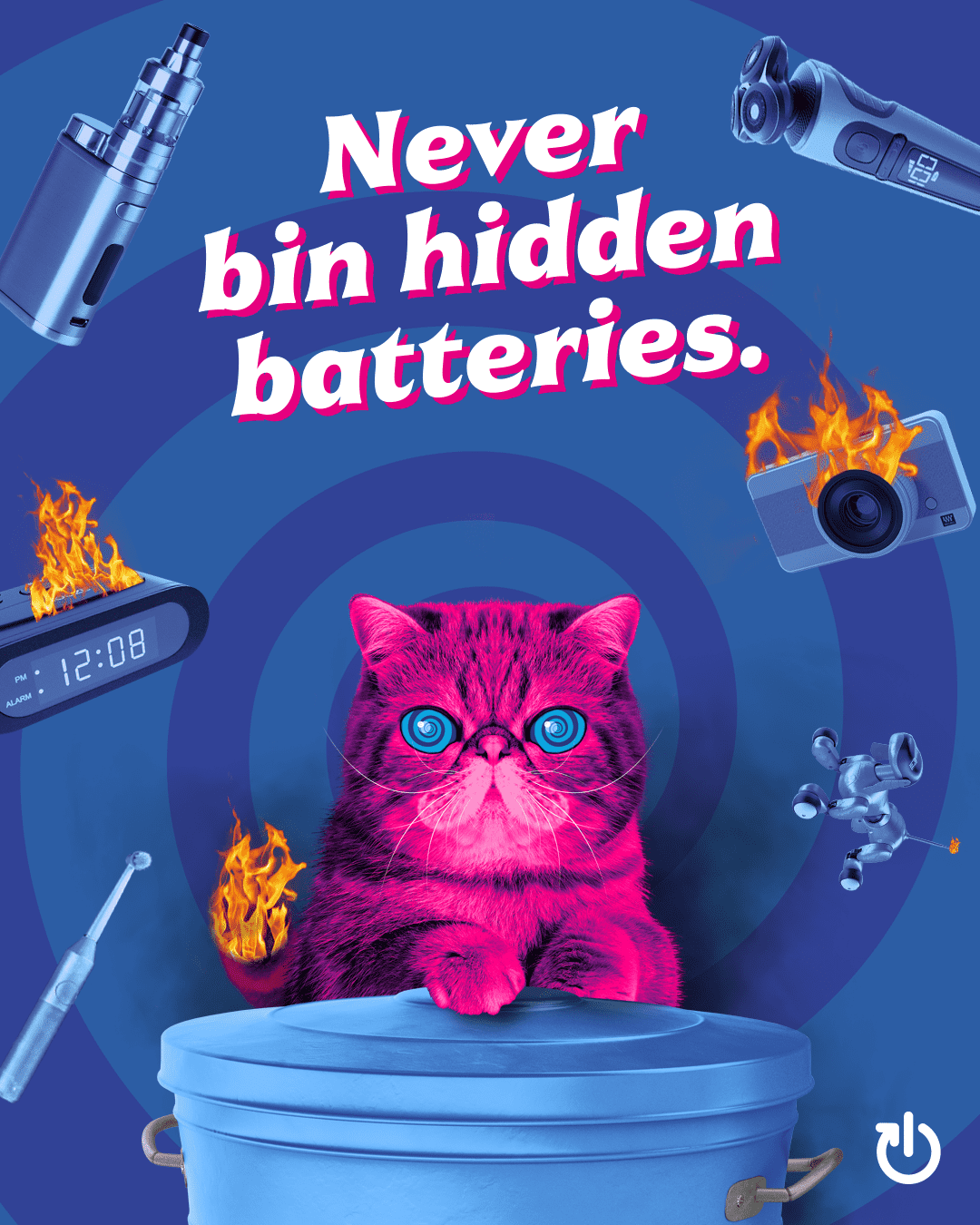 |
Batteries and rechargeable devices containing non-removable or hidden batteries should never go in your household waste or recycling bins. This includes items such as laptops, tablets, mobile phones, children's toys, vapes, electric toothbrushes, smoke alarms, smartwatches, Bluetooth speakers and anything that can be charged via a cable.
Whether it’s general waste or recycling, putting them in the wrong place can be dangerous.
When batteries are crushed or punctured in bin lorries or recycling centres, they can release harmful chemicals. These chemicals can ignite fires that are:
Battery fires put firefighters, local residents, schools and businesses at serious risk. They also pollute the air and can cause devastating health problems.
Over 1,200 battery-related fires occurred in UK waste facilities and vehicles last year alone. The estimated cost of dealing with these fires is over £1 billion.
What you can do
Always recycle batteries and electricals containing batteries separately to other types of waste. It’s quick, easy, and helps to protect you and your community.
🔍 Find your nearest battery recycling point at: https://www.recycleyourelectricals.org.uk/
👉 Read more about this topic at: https://www.lesswaste.org.uk /never-bin-batteries-or-rechargeable-devices/
|
|
|
Recycling videos |
A series of videos filmed at the Casepak Materials Recycling Facility have been produced to show the residents of Leicestershire where their recycling goes and how it is processed.
You can find the videos on our Lesswaste page, and they will be shared on social media over the next few months so keep a look out and share where you can! Follow @LeicestershireRecycling and @LeicsCountyHall.
|
| Watch our videos here
| | Leicestershire Nature Network |
|  |
Leicestershire County Council are hosting a new online forum for groups, including Parish Councils, and individuals who are interested in taking action for wildlife in their local area.
The first meeting in September included an update on progress with the development of the Leicestershire, Leicester and Rutland Local Nature Recovery Strategy (LNRS) plus news about other projects and opportunities.
The format of the meetings is a news section, followed by a talk on nature or ecology and themed breakout rooms where participants can get help and advice on a range of topics.
Participants are invited to share news about their activities, events and experiences with a biodiversity focus. Recordings of the news and talks are available on the Leicestershire Communities website.
To receive an invite to future meetings or submit a news item, please email: EnvironmentTeam@leics.gov.uk
| Leicester and Leicestershire Local Area Energy Plan launch |
|
|
|
In November, the Local Area Energy Plan (LAEP) for Leicester and Leicestershire was launched alongside an innovative digital energy planning tool ‘LAEP Lens’.
The LAEP provides a detailed map with data to support a place-based approach to energy planning.
Whether you are part of a community group or a local business, the LAEP is designed to help shape a more resilient and efficient energy future for Leicestershire.
Why It Matters To You
Better Homes: The plan supports improvements to home energy systems, helping to make homes warmer, healthier, and more affordable to run.
Local Investment: It helps attract funding and investment into Leicestershire, creating opportunities for new jobs, skills, and services.
To explore the LAEP please visit the GreenerFuture Leicestershire website where you will also find further information and guidance. |
|
|
Warm homes advice this winter |
|
|
 |
With winter round the corner the Warm Homes team can help with advice on how to reduce energy costs and keep your home warmer this winter.
Our Warm Homes Support Officers can give practical advice on keeping warm and reducing costs, as well as information on grants to help add energy efficiency measures to your home, so speak to one of the team on 0116 305 2524 or make a self-referral using the button below.
|
| Self-refer here
| |  |
The Warm Homes team is also due to launch the Warm Homes: Local Grant this winter.
It is a government-funded scheme being delivered by local authorities across the country until March 2028 providing energy efficiency upgrades.
For more information and to register your interest use the link below and you will be contacted once the scheme opens.
|
| More information here
|
|
|
|
|
Have your say to help us understand your travel options and how you get around Leicestershire.
Your feedback will help us build a transport system that enables people to get to work, health appointments and shops and supports our economy.
Tell us about your travel habits, whether that's by car, bus, bike or on foot, we want to hear from everyone to identify barriers, understand travel patterns and support the transport network.
Have your say and shape future transport options by filling out the survey below.
|
| Fill out the survey here
|
|
|
|
 |
Aerosols from around the house could contain a liquid, a gas or a foam. Did you know that, when they are empty, they can be recycled?
These could have contained shaving gel, hairspray, air freshener, deodorant or sun cream – they can all go in your recycling bin!
If you have more hazardous aerosols in your garage, see the A-Z list on our website below for guidance.
|
| Read our guidance here
|
|
|
Tackling food waste in Leicestershire |
| 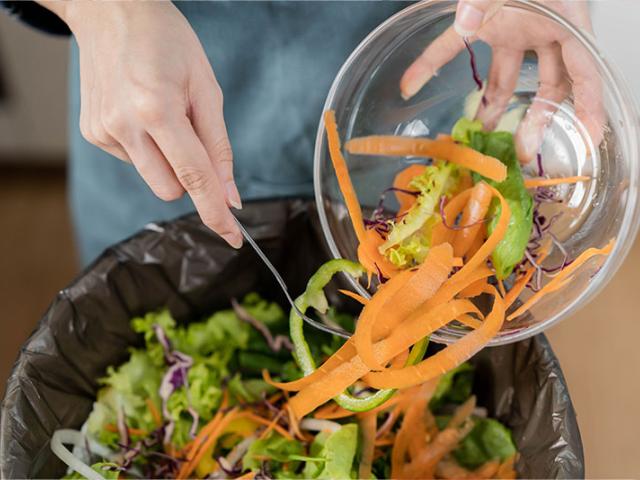 |
According to the latest report from the Waste and Resources Action Programme (WRAP), in 2022, UK households threw away nearly 6 million tonnes of food and drink. That’s around 88Kg per person – much of it perfectly edible.
In Leicestershire, we can make a real difference by reducing food waste at home, as it accounts for around 30% of what goes in your rubbish bin.
Why it matters:
Environmental impact: wasted food means wasted water, energy, land, and packaging – resources used to grow, transport and store food that’s never eaten.
What are the items that are most often being wasted? Fresh vegetables, fruit, bread, and homemade meals top the list. Often, food is discarded because it wasn’t used in time, too much was cooked, or it didn’t suit someone’s taste.
How can we reduce the amount of waste:
Local action = big impact: reducing food waste helps save you money and supports a more sustainable food system. Whether you compost, freeze leftovers, or share surplus food, every small action counts.
For tips and tools, visit the link below.
|
| For more information
| |
|
|
|
Environment Matters newsletter sign up |
If there is anyone you know that would be interested in signing up to Environment Matters, please forward them the website link below.
|
| Environment Matters Sign Up Page
|
|
|
|
|