Foreword from Councillor Blake Pain
Lead member for the Environment and the Green Agenda
|
|
|
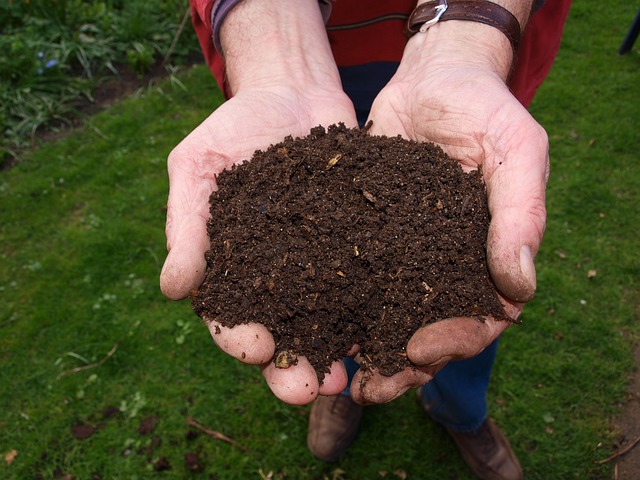
From Sunday 5 May to Saturday 11 May, we’re supporting International Compost Awareness Week – an annual campaign dedicated to raising awareness of composting.
This year’s theme is ‘Compost… nature’s climate champion’, which focuses on the role compost plays in combatting climate change.
May is a great time for residents to start composting to help reduce waste, lower carbon emissions and live more sustainably.
Small changes, like composting, can make a big difference, helping us make Leicestershire a cleaner, greener place to live and work.
You'll hear more about what you can do and more composting top tips in this special edition! |
|
|
This year's theme - Nature's climate champion! |
|
|
|
The theme for International Compost Awareness Week this year is Compost – Nature’s Climate Champion!
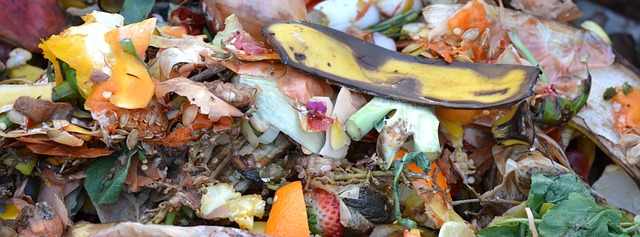
Composting garden waste and kitchen waste can reduce the negative environmental impact that waste can have. This is because the methane emissions from food waste are so high that if they were from a country, they would be the third biggest emitter of greenhouse gases in the world.
That is why by being mindful to reduce waste where possible and compost what you can’t or haven’t managed to eat is the best way to reduce your environmental impact. Composting can also help to protect endangered habitats, increase species and improve soil quality and plant growth.
Composting is not only great for the planet but it’s great for you too as it will save you money on buying packaged compost products to use in your garden.
|
|
Learn more about composting
|
|
|
Our top tips for composting |
|
|
|
Composting food and garden waste rather than throwing it in the bin can have a positive effect on the environment. So, if you aren’t already composting or you are but want to improve your compost, here are some top tips:
Balance your greens and browns, this means balancing green materials such as food waste and garden clippings with carbon rich materials, such as paper or cardboard. Coffee grounds make a great compost accelerator. Chop down materials to speed up the composting process. Wiggly worms will be your best friend in composting, so lots of them will speed up the process. They usually appear naturally but you can buy them if needed. Only compost cooked foods if you have a suitable compost bin. Read our Which compost bin flowchart to see which bins are suitable. |
|
|
|
How can you get involved this Compost Awareness Week
|
|
|
Look out for events being run by us. We run workshops on home composting: these are hands-on practical workshops that will help increase your knowledge and confidence.
We will also be out talking to residents of Leicestershire for Compost Awareness Week.
|
|
Find an event near you
| Are you already a keen composter? Then maybe you would like to spread the message of how great composting can be?
Why not try and tell five friends or family members about your composting as hearing about positive action from those close to us is one of the most effective ways to create change.
You could also sign up to become a Master Composter through the Environment Action Volunteer (EAV) scheme.
|
|
Apply to be a Master Composter
|
Are you involved in a community group, school or youth group? We have staff and volunteers who are able to come out and give talks to interested groups on composting, how to start, what to avoid and have lots of experience.
If you would like someone to give a talk to your organisation, please email us on: wasteprevention@leics.gov.uk
|
|
How we can help you
|
|
|
15 things you didn't know you could compost
|
|
|
There are lots of things we all know that can be composted such as grass clippings, leaves, kitchen peelings, cardboard, shredded paper etc but did you know that you can also compost a whole range of other things?
Some of the things you may not have thought about are listed below. |
|
|
|
|
*These need to be cotton/bamboo material in order to compost.
It is important to note that although all of these items have been successfully composted you need to consider the item that you wish to compost and check it is suitable.
Some of these items will also take longer to compost than typical garden waste, such as grass clippings. |
|
|
Reducing carbon through composting |
|
|
Although reducing overall food waste is the best strategy, some food is always going to generate waste through inedible parts, such as banana peels or eggshells. All of these inedible parts can be put in one of many compost bins, whether it be a standard compost bin for peelings or a hot compost bin for cooked food and bones.
With up to 28% of food waste in the UK coming from veg and salad, home composting has a big role to play in reducing the carbon emissions from wasted food. The reason being is that composted materials emit between 2.2% to 14% of the emissions of food that ends up in landfill. When food waste goes to landfill, it decomposes without access to oxygen and creates methane which is 28 times more potent than carbon dioxide (CO2).
Not only does home composting keep carbon in circulation, putting nutrients back into the soil thus reducing the emissions released, it also prevents carbon emissions through the purchase of shop-bought compost and from transportation of any food waste.
Globally, increasing composting could reduce carbon emissions by 2.1 million tonnes by 2050. In terms of carbon emissions, composting really is nature’s climate champion! |
|
|